
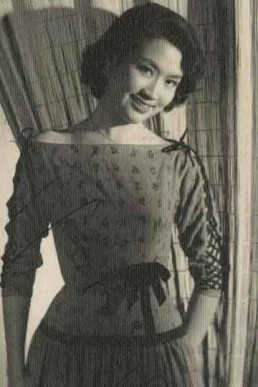
Ms Grace Chang
葛蘭女士
1933-2026
演員、歌星
葛蘭原名張玉芳, 藝名葛蘭來自她的英文名Grace,生於南京,長於上海,1949年移居香港。葛蘭自小學習西洋聲樂,又跟崑劇泰斗俞振飛學崑曲。1952年,葛蘭考入泰山影業公司演員訓練班,第一部是《七姊妹》(1953),後在《再春花》(1954)擔崗女主角,1957年加盟電懋。葛蘭戲路廣闊,形象多元,不論是開朗活潑的《曼波女郎》(1957)、妖冶不羈的《野玫瑰之戀》(1960),或是幽怨纏綿的《星星‧月亮‧太陽》上、下集(1961),演來皆能勝任,堪稱「千面女郎」。當中尤以她的歌舞片《空中小姐》(1959)、《教我如何不想她》(1963)等最受歡迎。葛蘭歌藝出眾,曾在美國紅歌星丹娜蕭的電視節目中演出,她的電影歌曲〈曼波女郎〉、〈卡門〉、〈說不出的快活〉等更傳頌至今。於1961年結婚的她,1964年主演《啼笑姻緣》後息影,共參演過30多部電影。
Ms Grace Chang
1933-2026
Actress & Singer
Also known as Cheung Yuk Fong, actress and singer Grace Chang was born in Nanjing and raised in Shanghai. She moved to Hong Kong in 1949. As a child, Chang received Western vocal training and later learned Kunqu opera under maestro Yu Zhenfei. In 1952, she enrolled in the acting course of Taishan Film Company, and made her debut in The Seven Maidens (1953). The following year, she was cast as the leading lady in It Blossoms Again (1954). She joined MP & GI in 1957, where, with her multifaceted acting skills, her career quickly took flight. Nicknamed “the Lady of Versatility”, she was spirited in Mambo Girl (1957), sultry in The Wild, Wild Rose (1960) and bitter in the two-part Sun, Moon and Star (1961). Movie musicals such as Air Hostess (1959) and Because of Her (1963) were among her most popular works. Chang’s singing was outstanding. She performed on The Dinah Shore Show in the US and movie theme songs like “Mambo Girl”, “Carmen”, and “Jajambo” are still sung or hummed by many today. Chang married in 1961 and retired after starring in Between Tears and Smiles in 1964, having made more than 30 films in her career.


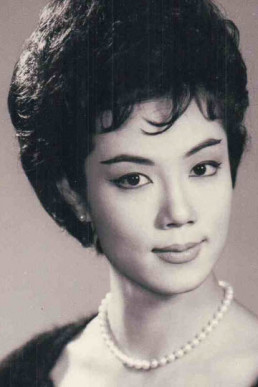
Ms Patsy Kar Ling
嘉玲女士
1935-2022
演員
嘉玲原名何佩英,1953年考入嶺光影業公司演員訓練班,藝名何嘉玲;後與謝賢雙雙轉投迪華電影企業公司,被導演秦劍發掘,主演《三妻奇案》(1955)。1955年,她轉投光藝製片公司,始以嘉玲之名拍片,以《九九九命案》(1956)走紅,成為光藝三位當家花旦之一。嘉玲從影以來共主演逾60部影片,包括《五月雨中花》上、下集(1960)、《追妻記》(1961)、《花花公子》(1964)、《英雄本色》(1967)等。嘉玲形象感性、高貴,常扮演千金小姐、交際花一類較成熟的角色。在她的告別作《人海奇花》(1967)中,更扮演一名心理不平衡的女子,報復男性,突破她過往正派的形象。1963年,嘉玲與泰國華僑結婚,1967年息影,定居泰國。
Ms Patsy Kar Ling
1935-2022
Actress
Born Ho Pui Ying, actress Patsy Kar Ling was a student of the acting course at Lan Kwong Film Company. Shortly after, she and classmate Patrick Tse Yin left Lan Kwong for Dihua Film Company, where she was selected by director Chun Kim to star in The Strange Case of Three Wives (1955). That same year, she left Dihua for Kong Ngee Motion Picture Production Company, where she won critical acclaim for her role in Dragnet (1956) and became one of the studio’s three principal actresses. Kar Ling starred in more than 60 films in her career. These include both parts of Blossom in Rainy May (1960), How to Get a Wife (1961), The Beau (1964) and The Story of a Discharged Prisoner (1967). Kar Ling’s elegance and exquisite beauty made her convincing playing wealthy ladies or social butterflies. In her farewell film, The Strange Girl (1967), she gave one of her best performances as a psychologically disturbed woman. Kar Ling married a Thai-Chinese man in 1963 and retired from the silver screen in 1967, settling in Thailand.

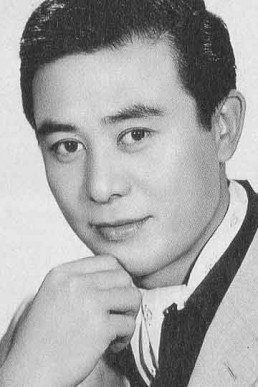
Mr Kwan Shan
關山先生
1933-2012
演員
關山原名關伯威,出生於遼寧瀋陽,戰爭爆發後隨父母移居香港,因看《人鬼戀》(1954)而萌生加入影圈之念。1956年,關山考入長城電影製片有限公司演員訓練班,為監製兼編導袁仰安賞識,提拔他當《阿Q正傳》(1958)男主角,憑此片榮獲瑞士羅迦諾電影節最佳男主角銀帆獎,令他成為首位在國際影展中獲獎的香港演員。1961年,關山加盟邵氏兄弟(香港)有限公司,主演了《不了情》(1961)、《一毛錢》(1964)、《藍與黑》上、下集(1966)、《烽火萬里情》(1967)等文藝片,成為60年代當紅的國語片小生。70年代起,他以自由身在港、台拍片。1972年,創辦關氏(香港)影業公司,導演《唐人客》(1972)、《不速之客》(1972)等片。1979年,他參演電視劇《天龍訣》(1979)。80年代關山棄影從商,只間中客串演出電影,後移居美國。
Mr Kwan Shan
1933-2012
Actor
Actor Kwan Shan, birth name Kwan Pak Wai, was born in Shenyang, Liaoning, and followed his family to Hong Kong when war broke out on the mainland. Impressed by the film Beyond the Grave (1954), he decided to try his luck in the film industry. In 1956, he enrolled in Great Wall studio’s acting course and was soon picked by producer and director Yuen Yang An to play the leading role in The True Story of Ah Q (1958). The film won him Best Actor at the Locarno International Film Festival, making him the first Hong Kong actor to win an award in an international film festival. Kwan went on to act in a number of Shaw Brothers films including Love Without End (1961), The Coin (1964), The Blue and the Black Parts I & II (1966) and Too Late for Love (1967), becoming one of the premier Mandarin film actors of the 1960s. From the 1970s onwards, Kwan specialised in films produced in Hong Kong and Taiwan. He founded Kwan’s Film Company in 1972 and starred in, produced and directed The Brutal Boxer (1972), among other titles. He had a cameo appearance in RTV’s action serial Dragon Strikes in 1979. Kwan retired from acting in the 1980s and settled in the United States.

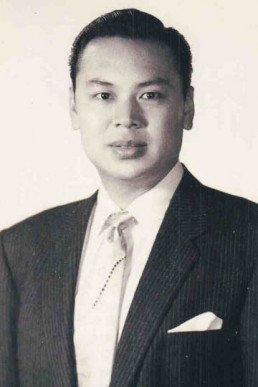
Mr Lo Wei
羅維先生
1918-1996
導演
羅維本姓張,過繼給舅父後,改姓羅,曾名羅晶。羅維生於江蘇,北京中學畢業後從事抗日戲劇活動,戰後曾當歌舞團演員。1948年,羅氏移居香港,加入永華電影製片廠有限公司當演員,在《愛的俘虜》(1951)與《王魁與桂英》(1952)中擔當男主角。1953年,羅維與唐煌合導《丈夫日記》(1953)、《美男子》(1953),同年獨自執導《蕩婦情痴》(1953)。1957年,羅維自組大漢電影企業公司,自導自演《多情河》(1957)。1958年,羅維與女星劉亮華合組四維影片公司,合演《翡翠湖》(1958)等10多部影片。1961年,羅維加入國際電影懋業有限公司,1965年轉投邵氏兄弟(香港)有限公司。1971年,羅氏加入嘉禾電影(香港)有限公司,執導李小龍主演的《唐山大兄》(1971)與《精武門》(1972),掀起功夫片熱潮。李小龍死後,羅維又力捧成龍為李小龍接班人。1993年,羅維監製《邊城浪子》(1993)後息影。
Mr Lo Wei
1918-1996
Director
Originally surnamed Cheung, actor-turned-director Lo Wei was adopted by his uncle, who named him Lo Ching. He was born in Jiangsu and finished middle school in Beijing, after which he joined a drama troupe specialising in patriotic plays. After the War of Resistance against Japanese Aggression, he became a member of a musical group. Lo then came to Hong Kong and, in 1948, joined Yung Hwa Motion Pictures. He was the male lead in Prisoner of Love (1951) and A Scholar’s Adventures (1952). Following this, he co-directed The Husband’s Diary (1953) and Mr Handsome (1953) with Tang Huang, and helmed She Wants Her Man (1953). After founding Dahan Film Company in 1957, Lo directed and acted in River of Romance (1957). In the following year, he established Swank Motion Picture Company with actress Lau Leung Wah; the studio went on to make Romance on Lake Emerald (1958) and 10 other films. In the 1960s, Lo worked for MP & GI then Shaw Brothers, before joining Golden Harvest in 1971, where he directed two Bruce Lee classics: The Big Boss (1971) and Fist of Fury (1972). After Lee’s sudden passing, Lo groomed Jackie Chan to be his successor. Lo retired after producing A Warrior’s Tragedy in 1993.

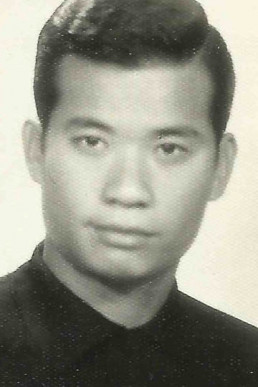
Mr Tong Kai
唐佳先生
1937-2025
動作指導
唐佳是武術指導兼動作演員,15歲隨師傅袁小田當粵劇武師,19歲拍電影。1963年,唐佳與劉家良合作在《南龍北鳳》(1963)當武術指導,此後任「如來神掌」系列、「女殺手」系列、「女黑俠」系列等多部粵語武俠片和動作片的武指。張鑫炎拍攝《雲海玉弓緣》(1966)時,由他和劉家良任武術指導,使用「威也」以豐富武俠片的視覺效果。邵氏公司對《雲》片的動作設計極為欣賞,將二人羅致麾下。他與劉家良最初為張徹設計武打場面,其後劉家良轉為導演,他則續任導演楚原、孫仲兩位導演的武術指導。唐佳擅於兵器設計,《天涯.明月.刀》(1976)的旋轉刀與《笑傲江湖》(1978)的雙戟是他的代表作。80年代,唐佳亦當上導演,拍攝了《少林傳人》(1983)、《三闖少林》(1983)和《洪拳大師》(1984)。《三闖少林》中的大刀陣、十二金剛陣、板凳陣精彩絕倫。離開邵氏後,唐佳進入電視圈工作不久便退休。直至徐克誠邀出山,他才再任電影《青蛇》(1993)武術指導。
Mr Tong Kai
1937-2025
Choreographer
Martial arts director and action actor Tong Kai was born in Zhongshan, Guangdong in 1937. At 15, he apprenticed under master Yuen Siu Tin as a martial artist in Cantonese opera and hit the big screen four years later. His first film as a martial arts choreographer, South Dragon, North Phoenix (1963), saw him teaming up with Lau Kar Leung. The duo continued to work on the “Buddha Palm” series, the “Lady Bond” series, and the “Heroine in Black” series. The duo introduced the use of wirework in Cheung Yam Yim’s The Jade Bow (1966) for enhanced action visuals. Their work impressed Shaw Brothers executives, who hired them as action directors. Tong and Lau designed action sequences for filmmaker Chang Cheh, and after Lau turned director, Tong continued as action choreographer for Chor Yuen and Sun Chung. Tong was celebrated for his creativity in special weaponry design, such as the revolving sword for The Magic Blade (1976) and the double halberds for The Proud Youth (1978). In 1983, he directed Shaolin Prince (1983), Shaolin Intruders (1983) and Opium and the Kung-Fu Master (1984). The action props he designed for Big Blade Formation, Twelve Vajrayana Array and Stool Array remained his signature works. After leaving Shaw Brothers, Tong worked for television and retired not long after, but made a comeback when Tsui Hark invited him to serve as martial arts director on Green Snake (1993).

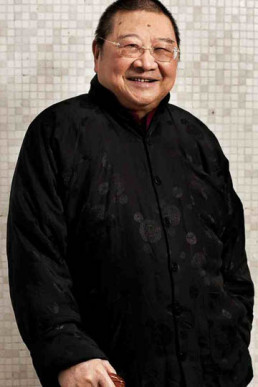
Mr Nieh Kong
倪匡先生
1935-2022
編劇
倪匡原名倪聰,字亦明,生於上海,1957年來港。初期在工廠當雜工,晚上在大專院校進修,後在《真報》任校對、助理編輯,其後升任記者和政論專欄作家。1957年底,他發表第一篇小說《活埋》,翌年開始創作小說,包括《女黑俠木蘭花》、《六指琴魔》。1962年,倪匡以衛斯理為筆名撰寫「衛斯理」系列科幻小說,其後又創作「原振俠」系列科幻小說。60年代,新派武俠影片興起,他轉而從事劇本創作。10多年間,倪匡共創作了300多個電影劇本,代表作有粵語武俠片《六指琴魔》(1965)、「女黑俠」系列電影,張徹導演的《獨臂刀》(1967)、《鐵手無情》(1969)、《報仇》(1970),楚原導演的《天涯.明月.刀》(1976)、《流星.蝴蝶.劍》(1976)等。2012年,倪匡獲香港電影金像獎頒發終身成就獎。
Mr. Nieh Kong
1935-2022
Scriptwriter
Born Ngai Chung and also known as Yik Ming, Shanghai-born Nieh Kong came to Hong Kong in 1957, eventually becoming one of the most accomplished and prolific novelists and scriptwriters of his time. In the early years, he worked in a factory by day and pursued his studies in the evenings. Later, he served as a proofreader for Truth Daily, before being promoted to assistant editor, reporter and political commentator. He published his first novel, Buried Alive, in 1957 and became a full-time novelist the following year. Works include The Dark Heroine Muk Lan-Fa and The Six-fingered Lord of the Lute, which were adapted for the big screen. Around this time, Nieh began to use the pseudonym “Wisely” to write sci-fi novels, namely the “Wisely” and “Legendary Ranger” series. The rise of new-style martial arts films in the mid-60s saw him writing screenplays, completing more than 300 in just over a decade. Among these were Chang Cheh’s One-Armed Swordsman (1967), The Invincible Fist (1969) and Vengeance! (1970), as well as Chor Yuen’s The Magic Blade (1976) and Killer Clans (1976). Nieh was honoured with the Lifetime Achievement Award at the Hong Kong Film Awards in 2012.

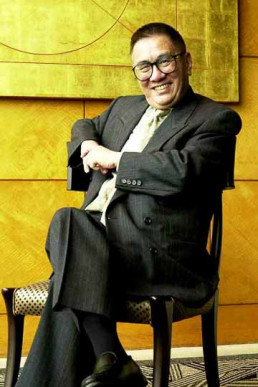
Mr James Wong
黃霑先生
1941-2004
歌曲創作人
黃霑原名黃湛森,生於廣州,1949年移居香港,入讀喇沙書院。1963年黃霑在香港大學中文系畢業,1983年,黃氏獲頒港大哲學碩士學位。70年代起,黃霑創作了無數大受歡迎的流行曲,又為電視連續劇及電影作曲作詞,作品接近2000首,乃當代粵語流行歌曲舉足輕重的人物之一。此外黃霑又涉足電影編、導、演、配樂,編導作品有《大家樂》(1975)。他參與創作的電影主題曲包括《上海之夜》(1984)、《倩女幽魂》(1987)、《秦俑》(1990)、《笑傲江湖》(1990)、《梁祝》(1994)等,屢獲香港金像獎與台灣金馬獎的最佳原創電影音樂和電影歌曲獎項,亦在《不文騷》(1992)、《唐伯虎點秋香》(1993)等電影中演出。黃霑患肺癌後仍竭力完成他關於香港流行音樂的論文,並在2003年取得香港大學社會科學系哲學博士。
Mr James Wong
1941-2004
Composer & Lyricist
Actor, film score composer and lyricist James Wong was born Wong Jum Sum in Guangzhou in 1941. He moved to Hong Kong in 1949, where he received his secondary education at La Salle College. He graduated from the University of Hong Kong in 1963, majoring in Chinese, and, in 1983, acquired a master’s degree in philosophy. Wong began composing in the 1970s. Among his approximately 2,000 compositions were theme songs for movies and TV dramas. He was a trendsetter in the Cantopop scene of his era and is still considered one of the most important Cantopop figures of all time. The multi-talented Wong was also a copywriter, columnist, film director, TV host and actor. The Crazy Lottery City (1975) was one work he scripted and directed. The films he scored include Shanghai Blues (1984), A Chinese Ghost Story (1987), A Terra-Cotta Warrior (1990), Swordsman (1990) and The Lovers (1994). These all-time classics won him numerous honours at the Hong Kong Film Awards and Taiwan’s Golden Horse Awards. He also acted in films like Let’s Rock (1975), Stooges in Hong Kong (1992) and Flirting Scholar (1993). Wong embarked on doctoral studies while battling lung cancer, and earned a PhD in social science in 2003.

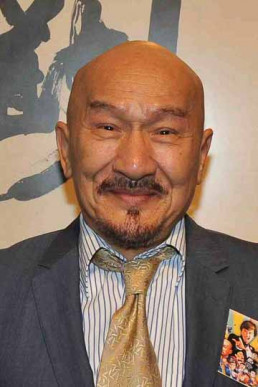
Mr Karl Maka
麥嘉先生
1944-
演員、導演
麥嘉原名麥嘉尚,1944年生於廣東台山,1958年來港,1963年舉家移民美國紐約,1971年在紐約布碌侖理工大學主修電子工程,畢業後於紐約攝影學院修讀電影製作。麥嘉在1973年返港,曾與多位影人成立多家電影公司,其中以新藝城影業有限公司最具影響力。擅長拍攝喜劇的他,曾導演《追女仔》(1981)、《難兄難弟》(1982),以「光頭神探」形象參演的「最佳拍檔」系列、《瘦虎肥龍》(1990)等電影均非常賣座。1983年,麥嘉憑《最佳拍檔》與《提防小手》的洪金寶一同奪得第二屆香港電影金像獎最佳男主角。1991年,麥嘉淡出電影界,至2000年才客串電影《大贏家》(2000)及主演中國電視劇《濟公傳奇》(2001),以及於2001年夥拍黃霑和羅家英主持清談節目《三個光頭佬》(2001)。
Mr Karl Maka
1944-
Actor & Director
Born Mak Ka Sheung, Karl Maka was an actor, director, producer and scriptwriter, and a co-founder of Cinema City. He was born in Taishan in 1944, moved to Hong Kong in 1958, and emigrated to New York in 1963. Mak studied electrical engineering at the Brooklyn Polytechnic Institute and later worked as an engineer. He embarked on film studies when he discovered his real interest was cinema, first in the form of evening courses and subsequently at New York University. In 1973, Maka returned to Hong Kong where he founded several film studios with partners, including the influential Cinema City. Adept at comedy, he helmed blockbusters Chasing Girls (1981) and It Takes Two (1982), and starred as a bald detective in the “Aces Go Places” series and Skinny Tiger and Fatty Dragon (1990). Maka shared the Best Actor honour with Sammo Hung at the 2nd Hong Kong Film Awards for Aces Go Places (1982). He retired from showbiz in 1991, but made cameo appearances in the film Winner Takes All (2000) and the TV series Zen Master (2001). He co-hosted talk show Three Bald Men with James Wong and Law Kar Ying in 2001.

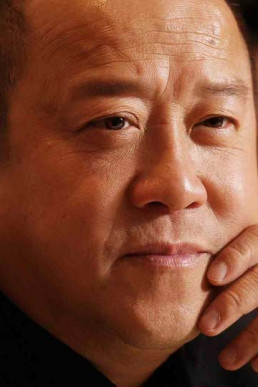
Mr Eric Tsang Chi Wai
曾志偉先生
1953-
演員、導演
曾志偉1953年生於香港,曾任甲組職業足球員,1974年往台灣當龍虎武師。1978年,曾志偉轉為編劇及副導演,1979年執導《踢館》(1979)。80年代,曾氏加入新藝城影業有限公司,1982年執導《最佳拍檔》,當年票房達2,600萬港元。他執導、監製及演出百多部電影,亦是電影人製作有限公司的創辦人之一。他演出作品包括《追女仔》(1981)、《半支煙》(1999)、《無間道》(2002)、《七十二家租客》(2010)。1992年,曾志偉憑《雙城故事》(1991)奪得香港電影金像獎最佳男主角獎,1997年再憑《甜蜜蜜》(1996)獲得金像獎與金紫荊雙料最佳男配角獎;1998年以《愈快樂愈墮落》(1998)獲頒金馬獎最佳男主角獎。曾志偉主持的電視遊戲節目《超級無敵獎門人》深受歡迎,並曾出任多屆香港演藝人協會會長。
Mr Eric Tsang Chi Wai
1953-
Actor & Director
Hong Kong-born actor and director Eric Tsang played professional football in the early 1970s and became a stuntman after moving to Taiwan in 1974. He began writing scripts and directing in 1978, helming The Challenger in 1979. The early 1980s saw Tsang joining Cinema City and directing Aces Go Places in 1982, which grossed a record-breaking HK$26 million. In the 1980s and 1990s, Tsang directed, produced and acted in more than 100 films. He was also a founder of the United Filmmakers Organisation. Some prominent films he appeared in were Chasing Girls (1981), Metade Fumaca (1999), Infernal Affairs (2002) and 72 Tenants of Prosperity (2010). In 1992, he won Best Actor at the Hong Kong Film Awards for his performance in Alan and Eric: Between Hello and Goodbye (1991). In 1997, he won Best Supporting Actor in both the Hong Kong Film Awards and the Golden Bauhinia Awards for Comrades, Almost a Love Story (1996). In 1998, Hold You Tight (1998) garnered him Best Actor at Taiwan’s Golden Horse Awards. Besides his work for the cinema, Tsang hosted the hugely popular TV variety show Movie Buff Championship for more than 10 years. He has been chairman of the Hong Kong Performing Artistes Guild for multiple terms starting from 2003.


Mr Chang Suk Ping
張叔平先生
1953-
美術指導、剪接
1975年,張叔平當唐書璇的副導拍《十三不搭》(1975),後赴加拿大溫哥華藝術學院修讀電影。回港後,張叔平曾從事室內設計、封面設計工作。1981年,張氏於譚家明的電影《愛殺》(1981)首次任美術指導,其後與不少知名導演合作。他和王家衛合作無間,從王家衛首作《旺角卡門》(1988)起,便擔任其美術指導和服裝設計,而自《東邪西毒》(1994)起,還兼任剪接。張叔平曾獲頒香港電影金像獎與台灣金馬獎的最佳美術指導、最佳服裝設計獎及最佳剪接獎逾20多次,得獎作品包括《似水流年》(1984)、《阿飛正傳》(1990)、《夜半歌聲》(1995)、《藍宇》(2001)、《讓子彈飛》(2010)、《一代宗師》(2013)、《華麗上班族》(2015)等。他又憑《花樣年華》(2000)獲頒康城電影節最佳藝術成就獎與亞太影展最佳剪接獎。
Mr Chang Suk Ping
1953-
Art Director & Editor
Art director and editor William Chang Suk Ping studied filmmaking at the Art Institute of Vancouver after a stint as assistant director for Tang Shu Shuen’s Sup Sap Bup Dup in 1975. Upon his return to Hong Kong, he became an interior designer and graphic designer. Chang art-directed Patrick Tam’s Love Massacre (1981) and went on to work with numerous renowned filmmakers. They include Wong Kar Wai, with whom Chang has collaborated since the former’s directorial debut, As Tears Go By (1988). Beginning with Ashes of Time (1994), Chang has also doubled as Wong’s film editor. Over the years, Chang has garnered more than 20 honours at the Hong Kong Film Awards and Taiwan’s Golden Horse Awards. Among his award-winning titles are Homecoming (1984), Days of Being Wild (1990), The Phantom Lover (1995), Lan Yu (2001), Let the Bullets Fly (2010), The Grandmaster (2013) and Office (2015). In the Mood for Love (2000) won him the Technical Grand Prize at the Cannes Film Festival and the Best Film Editing Award at the Asia-Pacific Film Festival. In 2012, Chang scooped the Best Costume and Make-up Design Award at the Hong Kong Film Awards for his work on Let the Bullets Fly (2010).
