

Ms Michelle Yeoh Choo Kheng
楊紫瓊女士
1962-
演員
1983年,楊紫瓊參加馬來西亞小姐競選贏得冠軍。1984年,她來港與周潤發合作演出一個手錶廣告後進入電影圈,並以《皇家師姐》(1985)成名,成為香港首席動作女星。1992年楊紫瓊與成龍合作《警察故事III超級警察》(1992),親身演出難度極高的危險動作,揚名海外。1997年, 楊氏獲邀參演占士邦電影《新鐵金剛之明日帝國》(1997),晉身國際巨星行列。2000年上映的李安名作《臥虎藏龍》(2000),讓她成功打進荷里活市場。2001年,楊紫瓊監製及主演動作片《天脈傳奇》(2002)與《飛鷹》(2004)。她曾參演不少外國製作的電影,包括《藝伎回憶錄》(2002)、《太陽浩劫》(2007)及《我的超豪男友》(2018),其中於《昂山素姬》(2011)中一改其硬朗的動作女星形象,展現了她柔情的一面。2013年,楊紫瓊獲頒第七屆亞洲電影大獎亞洲卓越電影人大獎。
Ms Michelle Yeoh Choo Kheng
1962-
Actress
Actress and producer Michelle Yeoh’s entertainment career began when she won the Miss Malaysia Beauty Contest in 1983. The following year she came to Hong Kong to shoot a watch commercial with actor Chow Yun Fat. Movie deals followed and she soon became Hong Kong’s top martial arts star, thanks in great part to Yes, Madam (1985). But it was Police Story 3: Super Cop (1992), which saw her pulling daredevil stunts without a double alongside Jackie Chan, that brought her to the attention of Western audiences. Yeoh’s international stardom was further sealed by the James Bond movie Tomorrow Never Dies (1997), and – the film that marked her success in Hollywood – Ang Lee’s Crouching Tiger, Hidden Dragon (2000). In 2001, Yeoh founded Han Entertainment and went on to produce and star in The Touch (2002) and Silver Hawk (2004). Yeoh has been involved in multiple overseas productions, including Memoirs of a Geisha (2002), Sunshine (2007), Crazy Rich Asians (2018) and The Lady (2011), which allowed her to show her softer side. In 2013, she was honoured with the Excellence in Asian Cinema Award at the 7th Asian Film Awards.


Mr Wong Kar Wai
王家衛先生
1958-
導演
王家衛生於上海,5歲時隨家人移居香港,1981年考入電視廣播有限公司的編導訓練班,畢業後當助導,其後開始編寫電影劇本。1988年,王家衛自編自導作品《旺角卡門》(1988)備受好評。1990年他編導成名作《阿飛正傳》(1990),榮獲香港電影金像獎最佳電影及最佳導演,並在各地影展鋒芒初露。其後執導的《重慶森林》(1994)榮獲香港電影金像獎最佳電影及最佳導演;其他作品《東邪西毒》(1994)和《墮落天使》(1995)均為話題作,並獲邀參展世界各大電影節。1997年王家衛憑《春光乍洩》(1997)成為首位在康城影展榮獲最佳導演獎的華人導演;而2000年執導的《花樣年華》(2000)更獲頒康城影展卓越技術成就大獎。2013年的《一代宗師》(2013)囊括香港電影金像獎最佳電影、最佳導演等10多個獎項。2001年,王家衛獲香港特別行政區政府頒發銅紫荊星章。2013年,王氏獲法國文化及通信部頒授法蘭西藝術與文學勳章中最高等級的司令勳章。
Mr Wong Kar Wai
1958-
Director
One of the most recognised Hong Kong directors worldwide, Wong Kar Wai was born in Shanghai and moved to Hong Kong at age five. He enrolled in the directing and scripting course at TVB in 1981 and, upon graduation, became an assistant director at the television station. He also began writing screenplays. The film that established his reputation was Days of Being Wild (1990), a work he wrote and directed. It won Best Film and Best Director at the Hong Kong Film Awards and was favourably reviewed at many film festivals, which led to Wong’s name becoming known internationally. Likewise, Chungking Express (1994) garnered Best Film and Best Director at the Hong Kong Films Award in 1994. Subsequent works such as Ashes of Time (1994) and Fallen Angels (1995) were screened at important film festivals around the world. Wong’s signature style and unmistakable aesthetics went down well with international critics and audiences alike. In 1997, Happy Together (1997) made Wong the first Chinese filmmaker to score a Best Director win at the Cannes Film Festival. In 2000, In the Mood for Love bagged the Technical Grand Prize at Cannes. Wong’s more recent work, The Grandmaster (2013), scooped Best Film and Best Director at the Hong Kong Film Awards. In 2013, he was honoured with the Commander (Highest Degree) of the Order of Arts and Letters by the Ministry of Culture of France. Wong was named a recipient of the Bronze Bauhinia Star by the Hong Kong Government in 2001.

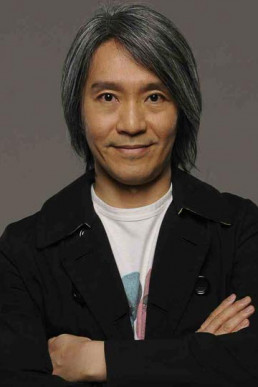
Mr Stephen Chow
周星馳先生
1962-
演員、導演
1982年,周星馳考入電視廣播有限公司藝員訓練班。畢業後主持兒童節目《430穿梭機》(1983),其後主演《他來自江湖》(1989)、《蓋世豪俠》(1989)等劇集。1992年,周星馳演出《審死官》(1992)獲頒亞太影展影帝,1995年憑《西遊記大結局之仙履奇緣》(1995)奪得香港電影金紫荊獎和香港電影評論學會最佳男演員獎。他的非邏輯性和帶有神經質的演技,開創「無厘頭喜劇」文化,成為香港普及文化的重要一環。他主演的電影《賭聖》(1990)、《逃學威龍》(1991)、《食神》(1996)、《喜劇之王》(1999)均成為香港年度票房冠軍。2001年,周星馳執導及主演的《少林足球》(2001)以6,000萬港元打破香港電影票房紀錄,並獲得香港電影金像獎最傑出青年導演和最佳男主角獎。2004年,周氏自導自演的《功夫》(2004)獲得台灣金馬獎最佳劇情片和最佳導演兩個獎項,以及獲提名美國金球獎最佳外語片。他主演《長江7號》(2008)後,開始致力幕後工作,拍攝《西遊.降魔篇》(2013)、《美人魚》(2016)和《西遊.伏妖篇》(2017)。
Mr Stephen Chow
1962-
Actor & Director
A prodigious comedian in the 1990s, Stephen Chow is a director, actor, producer and screenwriter. He enrolled in TVB’s acting course and, upon graduation, hosted the children’s show 430 Space Shuttle (1982) and appeared in TV dramas such as The Justice of Life (1989) and The Final Combat (1989). The film Justice, My Foot! (1992) saw Chow win Best Actor at the Asia-Pacific Film Festival in 1992. Three years later his performance in A Chinese Odyssey Part Two: Cinderella (1995) garnered the Best Actor Award from both the Golden Bauhinia Awards and the Hong Kong Film Critics Society. Chow’s eccentric comedic style is often described as “non-sequitur” or “nonsense”, and his films are said to have started an entire comedic subculture in Hong Kong. All for the Winner (1990), Fight Back to School (1991), The God of Cookery (1996) and King of Comedy (1999) were all box-office champions. In 2001, Shaolin Soccer (2001) smashed Hong Kong box-office records by grossing more than HK$60 million upon release. The film also scooped Outstanding Young Director and Best Actor at the Hong Kong Film Awards. In 2004, Kung Fu Hustle (2004), which Chow helmed and starred in, garnered Best Feature Film and Best Director at Taiwan’s Golden Horse Awards and a Best Foreign Film nomination at the Golden Globes. After starring in CJ7 (2008), Chow concentrated on behind-the-scenes work. He directed Journey to the West: Conquering the Demons (2013) and, more recently, The Mermaid (2016) and Journey to the West: The Demons Strike Back (2017). All for the Winner, Shaolin Soccer and The Mermaid are among the highest-grossing movies in both Hong Kong and Mainland China.

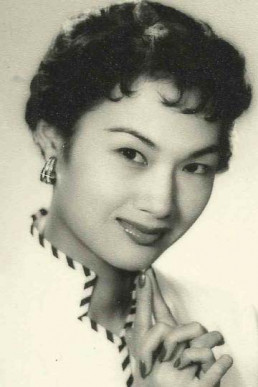
Ms Tsi Lo Lin
紫羅蓮女士
1924-2015
演員
紫羅蓮原名鄒潔蓮,少時在戲班學戲,13歲加入馬師曾領導的太平劇團演出,14歲參演歌舞片《第八天堂》(1939)加入電影界,1941年主演《醋淹藍橋》。1952年,紫羅蓮參與與一眾同僚創辦中聯電影企業有限公司,並參演當中多部電影如《危樓春曉》(1953)、《家》(1953)、《金蘭姊妹》(1954)、《寶蓮燈》(1956)等。1954年,她自組紫羅蓮電影製片有限公司,自編自導自演《馬來亞之戀》(1954)。她主演的作品超過140多部,角色多為幽嫻婉靜的少女和賢妻良母等正派角色;時裝演出富現代感,如《黛綠年華》(1957);古裝扮相端莊嫻熟,如《呆佬拜壽》(1956)、《半世老婆奴》(1957)等。1964年,紫羅蓮演出《恨海情天》後息影,息影後於教會當義工。
Ms Tsi Lo Lin
1924-2015
Actress
Born Chow Kit Lin, Tsi Lo Lin learned Cantonese opera at age 12 and went on to be a principal actress in Ma Si Tsang’s Tai Ping Opera Troupe and Sit Kwok Sin’s Kok Sin Sing Opera Troupe. Her first film appearance was in Eighth Heaven (1939) at the age of 14; two years later, she starred in Bridge of Jealousy (1941). Tsi had a hand in founding Union Film Enterprise in 1952 and appeared in the studio’s productions In the Face of Demolition (1953), Sworn Sisters (1954) and The Precious Lotus Lamp (1956). She also founded Tsi Lo Lin Film Company and wrote, directed and starred in the film Love in Malaya in 1954. Between 1947 and 1964, she acted in more than 140 films, mostly playing leading roles. Lo is best remembered for her portrayals of demure young ladies, as in The Splendour of Youth (1957), or period beauties like the loyal wife in The Dunce Attends a Birthday Party (1956) and Henpecked Husband (1957). Tsi retired from the limelight after shooting Unrewarding Love (1964). A devout Christian, she spent her days volunteering in church.

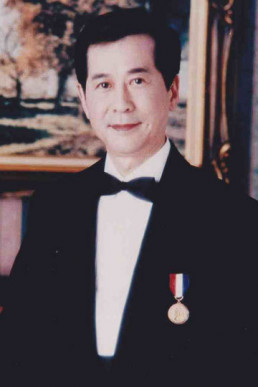
Mr Lam Kar Sing
林家聲先生
1933-2015
演員
林家聲原名林曼純,淪陷期間輟學後,隨肖蘭芳粵劇學院學習古老排場戲,半年後以神童姿態登台演出。16歲時,林家聲蒙粵劇名伶薛覺先收為徒弟,成為公認的薛覺先傳人。14歲時,林氏經月兒介紹,參演電影《賣肉養孤兒》(1947),1958年主演電影《胡不歸》(1958)、《花染狀元紅》(1958),至1967年息影時共參演近310部影片,多為戲曲片及武俠片,如《無敵楊家將》(1961)、《哪吒出世》(1962)、《兩個東宮爭太子》(1963)等,亦有喜劇及文藝片,如《父母心》(1955)、《太太緝私團》(1961)、《孝女珠珠》(1966)等,還包括他的舞台名劇改編的《雷鳴金鼓戰笳聲》(1963)與《無情寶劍有情天》(1964)。退出影壇後,林家聲致力推廣粵劇,拍攝電視節目《林家聲粵劇特輯》(1976)。1993年,林氏成立林家聲慈善基金,與不同機構和學校推廣粵劇。1981年,林家聲獲頒授BH榮譽獎章;2000年,他獲香港藝術發展局頒授戲曲終身成就獎,及2005年獲香港特別行政區政府頒授銅紫荊星章,表揚他在粵劇藝術方面的貢獻。
Mr Lam Kar Sing
1933-2015
Actor
Born Lam Man Shun, actor and opera artist Lam Kar Sing was trained in Cantonese opera from an early age. During the War of Resistance against Japanese Aggression, he dropped out of school and learned the skills of performing ancient extravagant acts from Chiu Lan Fong at her opera school. Six months later, he appeared on stage as a child prodigy. Lam made his screen debut at age 14 in Prostituting to Raise the Orphan (1947) and, at 16, was admitted as a disciple of the celebrated opera master Sit Kok Sin. Lam founded Kok Sing Opera Troupe in 1956, specialising in performing Sit Kok Sin’s well-known operas Why Not Return? (1958) and A Scholar Becomes Rich (1958). Lam is widely recognised as the inheritor of Sit’s operatic art. He appeared in 310 movies throughout his career, from Cantonese opera films to martial arts films. Memorable titles include The Invincible Yeung Generals (1961), The Birth of Nazha (1962), The Prince and Two Queens (1963), Parents’ Hearts (1955), Inspectress General (1961), The Dutiful Daughter Ch Chu (1966); as well as adaptations of his opera classics such as Drums Along the Battlefield (1963) and The Revenge Battle (1964). Lam held a farewell performance in 1993 and, after retiring from the stage, devoted his time to Cantonese opera promotion and education. In 1981, he was awarded the BH Honorary Medal. In 2000, he received the Xiqu Life Achievement Award from the Hong Kong Arts Development Council. Lam was honoured with a Bronze Bauhinia Star by the Hong Kong Government in 2005 for his contribution to the art of Cantonese opera.

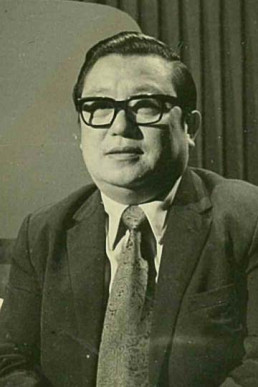
Mr Wong Tin Lam
王天林先生
1928-2010
導演
王天林生於上海,1935年移居香港。王天林叔父王鵬翼為戰前南粵影片公司的創辦人之一,1947年,他經叔父介紹從事電影工作,曾任沖印、錄音、場記、助導等崗位。1950年,他憑粵語武俠片《峨嵋飛劍俠》(1950)上、下集開展其導演生涯,1952年起,王天林執導國語片,成名作是掀起國語歌唱片熱潮的《桃花江》(1956)。1958年,他在泰國碰上電影懋業有限公司的製片部主任宋淇,應他之邀加盟電懋,並以《家有喜事》(1959)獲第七屆亞洲影展最佳導演。他的電懋作品還包括《野玫瑰之戀》(1960)、《南北和》(1961)、《小兒女》(1963)等。王天林是著名的多面手,從影以來執導120多部影片,包括粵、國、潮、廈各種方言,文藝、武俠、戲曲、喜劇、悲劇各種類型。1973年,王天林加盟電視廣播有限公司當監製,劇作包括《啼笑姻緣》(1974)、《書劍恩仇錄》(1976)、《小李飛刀》(1978)、《楚留香》(1979)、《千王之王》(1980)、《萬水千山總是情》(1982)等。退休後,王氏間中在電影及電視劇中客串演出。2002年,王天林獲香港影評人協會頒發金紫荊獎終身成就獎。
Mr Wong Tin Lam
1928-2010
Director
Shanghai-born Wong Tin Lam came to Hong Kong in 1935. His uncle, Wong Pang Yik, was a co-founder of Nanyue Film Company and so the young man joined the film industry at age 19 and worked as a film processor, recordist and log keeper before becoming an assistant director. Wong directed his first film in 1950: The Flying Sword Hero from Mount Emei Parts I & II. He began directing Mandarin movies in 1952 and made a name for himself with Songs of the Peach Blossom River (1956). In 1958, he met MP & GI production executive Stephen Soong in Thailand, and the latter invited him to join the studio, a move which saw Wong evolve into one of Hong Kong’s most sought-after filmmakers. All in the Family (1959) won Best Director at the 7th Asian Film Festival. Other popular works for MP & GI include The Wild, Wild Rose (1960), The Greatest Civil War on Earth (1961) and Father Takes a Bride (1963). In total, Wong directed more than 120 films in genres spanning romantic drama, martial arts, comedy and opera, and languages including Cantonese, Mandarin and Chaozhou and Amoy dialects. In 1973, he joined TVB as a producer and his credits include various notable TV dramas such as Twins (1974), The Legend of the Book and Sword (1976), The Romantic Swordsman (1978), Chor Lau Heung (1979), The Shell Game (1980) and Love and Passion (1982). In his later years, Wong made occasional appearances in film and television. In 2002, he received the Lifetime Achievement Award from the Hong Kong Film Critics Association.

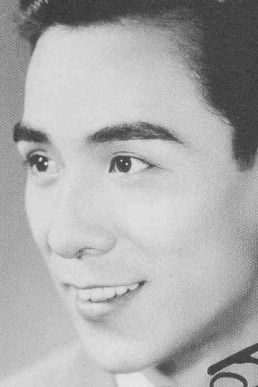
Mr Bow Fong
鮑方先生
1922-2006
演員
鮑方原名鮑繼煥,生於江西,抗戰時逃到桂林,愛上話劇,並認識戲劇家歐陽予倩。1948年,鮑方來港,透過歐陽予倩加盟永華電影製片廠有限公司,參演《國魂》(1948)而踏進電影圈。鳳凰影業公司成立,主創人朱石麟邀他加盟,於鳳凰和長城電影製片有限公司演出50多部電影,包括《一年之計》(1955)、《雷雨》(1961)、《故園春夢》(1964)等。在《笑笑笑》(1960)中,他展現京劇、越劇、相聲、黃梅戲的技藝,還反串演出。1959年,他和陳靜波聯合執導《有女初長成》(1960)開始其導演生涯,至1980年共執導18部電影,包括《對窗戀》(1962)、《畫皮》(1966)及兼編、導、演於一身的《屈原》(1977)等。1980年,鮑方踏進電視圈,演出《京華春夢》(1980)、《萬水千山總是情》(1982)、《真情》(1995)等劇。1999年,鮑方因拍劇期間中風而退出娛樂圈。1993、1995、2006年,他分別獲得中國電影表演藝術協會分別頒發特別榮譽獎、中華影星榮譽獎和中國電影百周年百位優秀演員。2000年,鮑方獲香港影評人協會頒發金紫荊獎終身成就獎。
Mr Bow Fong
1922-2006
Actor
Actor and director Bow Fong was born Bau Gai Wun in Jiangxi. During the War of Resistance against Japanese Aggression, he fled to Guilin where he developed an interest in stage performance and made the acquaintance of playwright Ouyang Yuqian. In 1948, Bow came to Hong Kong. Through Ouyang Yuqian’s introduction he joined Yung Hwa Motion Pictures, making his first appearance in The Soul of China (1948). He was subsequently invited by director Zhu Shilin to join Feng Huang and Great Wall. Bow acted in more than 50 films; these include Year In, Year Out (1955), Thunderstorm (1961) and Garden of Repose (1964). In Laugh, Clown, Laugh (1960), he displayed his skills in Peking opera, Yue opera, crosstalk and Huangmeidiao opera singing. In 1959, he co-directed A Teenage Girl (1960) with Chan Ching Po, the first of 18 titles he helmed that also included Romance Across the Window (1962), The Painted Skin (1966) and Chu Yuan (1977). From 1980, Bow began appearing in TV drama series, such as Yesterday’s Glitter (1980), Love and Passion (1982) and A Kindred Spirit (1995), but was forced to retire after a stroke in 1999. Bow received a Special Honour Award from the Performing Artists Guild of China in 1993, the Chinese Film Stars Special Award in 1995 and the Top 100 Actors in a Century of Chinese Cinema Award in 2006. In 2000, he received the Lifetime Achievement Award from the Hong Kong Film Critics Association in 2000.

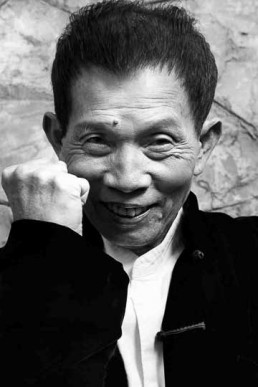
Mr Lau Kar Leung
劉家良先生
1934-2013
動作指導、導演
劉家良從小跟隨父親劉湛習武,從1950年到1963年在100多部影片中當替身和龍虎武師,包括不少「黃飛鴻」電影。自1963年的《南龍北鳳》(1963)起,劉家良與唐佳合作當武術指導。他們當武指的名片還有《雲海玉弓緣》(1966)、《獨臂刀》(1967)等。1975年,劉家良執導《神打》,是電影界第一位由武術指導擢升導演,其後執導的《少林卅六房》(1978)與《中華丈夫》(1978)先後獲得亞洲影展最佳動作片獎和最佳國際功夫動作片獎。他執導的電影主要為動作片,代表作包括《陸阿采與黃飛鴻》(1976)、《長輩》(1981)、《十八般武藝》(1982)、《五郎八卦棍》(1984)等。他的電影富有中國民族風格,宣揚傳統武德和武術,對發揚功夫片有很大貢獻。2005年,劉家良獲香港影評人協會頒發金紫荊獎卓越成就獎。2010年,劉氏獲頒香港電影金像獎終身成就獎嘉許。
Mr Lau Kar Leung
1934-2013
Choreographer & Director
Martial arts choreographer and director Lau Kar Leung learned martial arts from his father, Lau Cham, as a child. He was well-versed in the lineages of Hung Fist and Wong Fei Hung. Between 1950 and 1963, Lau served as a stuntman in more than a hundred movies. He made his chorographical debut alongside Tong Kai with South Dragon, North Phoenix in 1963. This was followed by The Jade Bow (1966) and One-Armed Swordsman (1967). Lau was the first action choreographer in Hong Kong to become a film director, which he did with Spiritual Boxer in 1975. His subsequent works The 36th Chamber of Shaolin (1978) and Heroes of the East (1978) won Best Action Film and Best International Martial Arts Film, respectively, at the Asian Film Festival. Other titles Lau directed include Challenge of the Masters (1976), My Young Auntie (1981), Legendary Weapons of China (1982) and The Eight Diagram Pole Fighter (1984). Lau’s works are rich in Chinese tradition and intended to promote martial arts and its honourable spirit. His contribution to the genre was recognised with an Outstanding Achievement Award at the 10th Golden Bauhinia Awards presented by the Hong Kong Film Critics Association. In 2010, the Hong Kong Film Awards honoured him with the Lifetime Achievement Award.

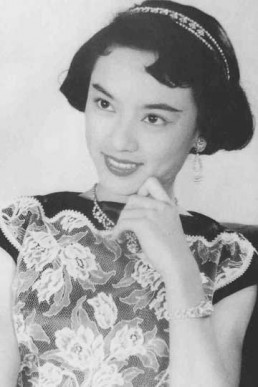
Ms Shek Hwei
石慧女士
1934-
演員
石慧原名孫慧麗,出生於南京,1947年移居香港,自小喜愛戲劇與電影,曾習聲樂、鋼琴、芭蕾舞與繪畫。1951年,石慧加入長城電影製片有限公司,於《一家春》(1952)初露頭角,後以《蜜月》(1952)和《兒女經》(1953)走紅。從影20多年,石慧擅長扮演開朗活潑的純真少女,代表作包括《寸草心》(1953)、《小舞孃》(1956)、《蘭花花》(1958)等。她與傅奇因合演《蘭花花》相戀,於1954年結婚。1980年以後,她先後出任長城演員室主任、華南電影工作者聯合會理事長等職務。1981年,她在北京、上海、福州等地舉行音樂會,並錄製個人唱片及開個人畫展。1991年,石慧與夫傅奇移居加拿大。
Ms Shek Wai
1934-
Actress
Shek Wai was born Sun Huili in Nanjing and moved to Hong Kong in 1947. As a young girl, she loved drama and film, and took lessons in music, piano, ballet and painting. In 1951, she joined Great Wall and began showing promise in Father Marries Again (1952). Her career took flight after Honeymoon (1952) and Aren’t the Kids Lovely? (1953). During her 20-year career, Shek played mostly lovely, innocent girls, such as in Parents’ Love (1953), Actress Pearl (1956) and When You Were Not with Me (1958). She fell in love with actor Fu Chi during the shooting of When You Were Not with Me, and the couple married in 1954. After 1980, Shek Wai took charge of Great Wall’s actors’ department and went on to chair the South China Film Industry Workers Union. In 1981, she held singing recitals in Beijing, Shanghai and Fuzhou, recorded her own albums and held painting exhibitions. Shek and her husband emigrated to Canada in 1991.

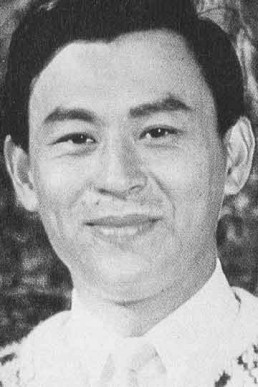
Mr Fu Chi
傅奇先生
1929-
演員
傅奇原名傅國梁,出生於遼寧瀋陽,在上海成長,於1949年移居香港,初為土木工程師。1952年,傅奇先考入長城電影製片有限公司,處女作是和石慧主演的《蜜月》(1952)。其後他在長城和鳳凰影業公司主演58部影片,常演敦厚憨直的青年,其中名作有《都會交響曲》(1954)、《大兒女經》(1955)、《日出》(1956)、《蘭花花》(1958)、《樑上君子》(1963)等。1955年,傅奇先兼任《不要離開我》(1955)的副導演;1958年傅氏開始當編導,曾執導《五虎將》(1964)、《雲海玉弓緣》(1966)、《鐵樹開花》(1973)等劇情片和《中國體壇群英會》(1976)等紀錄片。1978年起,他轉任行政工作,曾任長城的董事經理;1982年起,任銀都機構總經理,又曾任《少林寺》(1982)的策劃與《童黨》(1988)的監製。1991年,傅奇與妻子石慧移居加拿大。
Mr Fu Chi
1929-
Actor
Born Fu Kwok Leung, actor Fu Chi was born in Liaoning and raised in Shanghai. He moved to Hong Kong in 1949 at age 20, taking up employment as a civil engineer. In 1952, he found a job at Great Wall, which cast him in the leading role for his first film, Honeymoon (1952), opposite actress Shek Wai, his future wife. Fu went on to appear in some 50 titles for the studio and for Feng Huang Motion Picture Company. His other works in this period include Tales of the City (1954), Loves of the Youngsters (1955), Sunrise (1956), When You Were Not with Me (1958) and Gentleman Who Steals (1963). Besides acting, Fu served as an assistant director in Never Leave Me (1955). From 1958, he also took up the responsibilities of screenwriter and director. Fu’s directorial works include Treasure Island (1964), The Jade Bow (1966), Rebirth of a Deaf-Mute (1973) and the documentary The National Games (1976). In 1978, Fu took over as managing director of Great Wall and, in 1982, he became the general manager of Sil-Metropole Organisation. Fu served as a production coordinator for The Shaolin Temple (1982) and producer for Gangs (1988). He and wife Shek Wai emigrated to Canada in 1991.
