
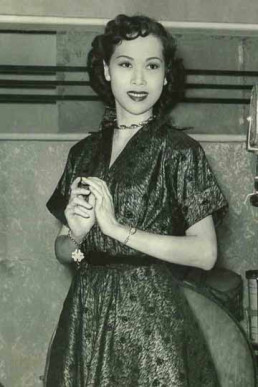
Ms Fong Yim Fun
芳艷芬女士
1928-
演員
芳艷芬原名周東仕,又名梁燕芳。芳艷芬受養母的影響,對粵劇產生興趣,10歲到白潔初的國聲劇院學藝。1937年,芳艷芬進入勝壽年劇團。1941年,她於易劍泉的劇團任二幫花旦時,易為她取名芳艷芬,16歲擢升為正印花旦。戰後,芳艷芬因唱《夜祭雷峰塔》唱反線二黃慢板獨樹一幟,漸漸發展成「芳腔」。於1952年一次報刊選舉中,芳艷芬被票選為「花旦王」。1950年芳艷芬從影,希望藉電影擴展戲路,因此演出不少時裝喜劇如《唔嫁》(1951)、《財來自有方》(1952)、《蜜運》(1953)等,擅演溫婉巧婦的角色。1953年芳艷芬創辦植利影業公司,並陸續將她的戲寶《洛神》(1957)、《梁祝恨史》(1958)、《六月雪》(1959)等搬上銀幕。從影10年,芳艷芬主演過150多部電影,1959年婚後息影;其後於1984年成立群芳慈善基金會,致力推動社會公益事務。2017年,芳艷芬獲香港電影金像獎頒發終身成就獎。
Ms Fong Yim Fun
1928-
Actress
Born Chow Tung Si and also known as Leung Yin Fong, actress and opera artist Fong Yim Fun developed an interest in Cantonese opera at a young age thanks to the influence of her adoptive mother. She apprenticed under Pak Kit Chor at Kwok Sing Theatre and joined Sing Sau Nin Opera Troupe in 1937. In 1941, she played supporting female parts in Yik Kim Chuen’s troupe, with Yik giving her the stage name Fong Yim Fun. She was promoted to principal roles a few years later, at age 16. After the War of Resistance against Japanese Aggression, Fong’s distinctive singing style in Nocturnal Sacrifice at Lui Fung Pagoda developed into what came to be known as “the Fong tone”. She was elected “the Queen of Principal Female Roles” in a newspaper contest in 1952. Fong made her first film in 1950. She broadened her repertoire playing in comedies and melodramas, including She Says “No!” to Marriage (1951), Money Will Find Its Way to Come (1952) and Romantic Spell (1953). Fong was a paragon of female wisdom and modesty on-screen. In 1953, she founded Zhili Film Company and adapted her best known opera pieces for the big screen, such as The Nymph of the River Lo (1957), Butterfly Lovers Story of Regret (1958) and The Summer Snow (1959). Fong was also an adept singer; the title song of Belle of Penang (1954) was among her greatest hits. By the time she got married and retired in 1959, Fong had taken part in some 150 films spanning more than 10 years. In 1984, she founded Kwan Fong Charitable Foundation, through which she engages in charitable activities.


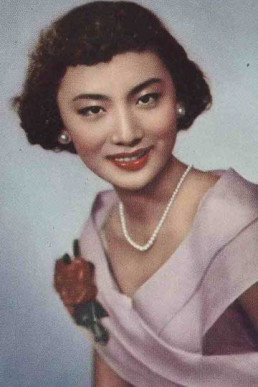
Ms Hsia Moon
夏夢女士
1933-2016
演員、監製
夏夢原名楊濛,生於上海,1947年移居香港;由於家住長城製片廠附近,經常往片場看拍戲,因而被導演李萍倩看中,透過她的校友毛妹(長城主持人袁仰安之女)邀請加盟長城電影製片有限公司。17歲夏夢憑首作《禁婚記》(1951)即震動影壇,氣質神韻獨步影壇,被稱為「長城大公主」。此後夏夢演出過《孽海花》(1953)、《日出》(1956)、《新婚第一夜》(1956)、《眼兒媚》(1958)、《同命鴛鴦》(1960)、《王老虎搶親》(1960)、《三看御妹劉金定》(1962)、《金枝玉葉》(1964)等電影。從影17年,夏夢拍攝影片41部,以《絕代佳人》(1953)與《新寡》(1956)獲中華人民共和國文化部頒發個人一等獎。1978年,夏夢與友人合股組成青鳥電影製作有限公司,出品《投奔怒海》(1982)、《似水流年》(1984)等傑出電影,兩片先後獲頒第二及第四屆香港電影金像獎最佳電影。
Ms Hsia Moon
1933-2016
Actress & Producer
Born Yang Meng in Shanghai, Hsia Moon was a prima donna of great virtuosity and one of the most famous actresses in Hong Kong cinema. She moved to Hong Kong in 1947, whereupon she was referred to Great Wall studio by her schoolmate Mao Mei (also known as Christine Yuen, daughter of Great Wall’s producer Yuen Yang’an). Hsia’s sophistication was unique among her peers at the time and she became an overnight sensation at 17 with A Night-Time Wife (1951). She was thereafter hailed as Great Wall’s “Eldest Princess”. Leading roles in a long list of titles followed, including A Torn Lily (1953), Sunrise (1956), The Wedding Night (1956), Those Bewitching Eyes (1958), The Eternal Love (1960), The Bride Hunter (1960), The Princess Falls in Love (1962) and My Darling Princess (1964). She was Great Wall’s principal actress throughout the 1950s and 1960s. In a career spanning 17 years, Yang starred in 41 films. Of these, Peerless Beauty (1953) and A Widow’s Tears (1956) won her the First Class Individual Achievement Award from the Ministry of Culture, the People’s Republic of China. In 1978, Hsia Moon founded Bluebird Movie Enterprises with partners. The studio produced highly acclaimed titles such as Boat People (1982) and Homecoming (1984), which both won Best Film at the Hong Kong Film Awards.

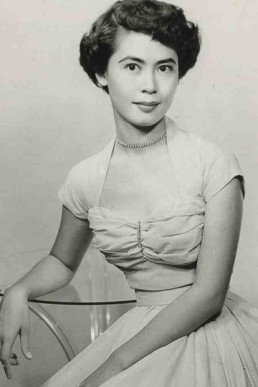
Ms Linda Lin Dai
林黛女士
1934 – 1964
演員
林黛原名程月如,藝名來自她的英文名Linda。林黛生於廣西,1948年來港。父親是政界名人程思遠。1950年,林黛加盟長城電影製片有限公司,因父親的背景一直不獲重用。遂於1952年轉投永華電影製片廠有限公司,憑《翠翠》(1953)一炮而紅,此後銀壇路上一帆風順,先後四度獲得亞洲影展最佳女主角獎。林黛首度獲獎是憑一人兼飾兩角、國際電影懋業有限公司作品的《金蓮花》(1957),她在電懋的作品還有《情場如戰場》(1957)、《黃花閨女》(1957)。林黛後加盟邵氏兄弟(香港)有限公司,憑黃梅調電影《貂蟬》(1958)、歌舞片《千嬌百媚》(1961)和文藝片《不了情》(1961),創紀錄地拿下四屆亞洲影后。1964年,林黛在事業仍處於高峰之際,突然離世,遺下未完成的作品《寶蓮燈》(1965)和《藍與黑》(1966)。她短短10多年的演藝生涯共演出50多部作品,獲獎之作外,還有不少代表作,如《江山美人》(1959)、《花團錦簇》(1963)、《妲己》(1964)、《王昭君》(1964)等。林黛時裝、古裝皆宜,美麗慧黠的形象甚具觀眾緣。
Ms Linda Lin Dai
1934-1964
Actress
Born Cheng Yueru, actress Lin Dai’s screen name is a transliteration of her English name, Linda. Born in Guangxi, Lin followed her father, political celebrity Cheng Siyuan, to Hong Kong in 1948. In 1950, Lin enrolled as an actress at Great Wall, but was not assigned important roles due to the sensitive background of her father. Disillusioned, she switched to Yung Hwa Motion Pictures, where her debut, Singing under the Moon (1953), catapulted her to instant stardom. Lin’s first award-winning film was MP & GI production Golden Lotus (1957), in which she played two roles. The film landed her Best Actress at the 4th Asian Film Festival. Lin’s other memorable titles include The Battle of Love (1957) and Lady in Distress (1957). In 1958, she claimed another Best Actress award with Diau Charn (1958). After her marriage in 1961, Lin starred in Les Belles (1961) and Love Without End (1961), which again garnered Best Actress awards at the 9th and 10th Asian Film Festivals, respectively, making her the only person to have won the award four times. Other important works include The Kingdom and the Beauty (1959), Love Parade (1963), The Last Woman of Shang (1964) and Beyond the Great Wall (1964). Lin’s sudden death in 1964 shocked the city. She left two films unfinished, namely The Lotus Lamp (1965) and The Blue and the Black (1966). In her short career that lasted just over 10 years, the timeless diva starred in more than 50 films.

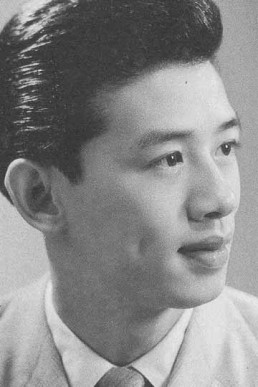
Mr Woo Fung
胡楓先生
1932-
演員
胡楓原名胡繼修,1953年考入大成影片公司成為基本演員,同年主演《男人心》初登銀幕,確立其老實正直的形象。在大成期間,胡楓經常與芳艷芬合演文藝片,如《長使我郎淚滿襟》(1954)、《生死同心》(1956)等。胡楓與謝賢拍攝的《歡喜冤家》(1959)和《難兄難弟》(1960)開拓了他演喜劇的新路線。60年代中,粵語青春歌舞片興起,舞藝出色的他與舞技同樣精湛的蕭芳芳合演了多部歌舞片,如《我愛阿哥哥》(1967)、《萬紫千紅》(1968)等。70年代粵語片式微,他加盟邵氏公司後,繼而轉投電視圈,至今仍活躍於影視界,參與的電影超過300部,與他合作過的演員無數。80、90年代以來令人較難忘的演出包括電影《猛鬼差館》(1987)、《新紮師妹2》(2003)、《竊聽風雲2》(2011)、電視節目《三個小生去旅行》(2013)等。2003年,胡楓獲香港影評人協會頒贈金紫荊獎終身成就獎。
Mr Woo Fung
1932-
Actor
Born Wu Kai Sau, Woo Fung joined Tai Seng Film Company as a contract actor in 1953. He shot to stardom playing the protagonist in his first film, Men’s Hearts (1953). While at Tai Seng, he co-starred with Fong Yim Fun in a number of melodramas, including Grief-Stricken for My Husband (1954) and Life and Death Together (1956). Meanwhile he proved his comedic talent through collaborations with Patrick Tse Yin in The Quarrelsome Couple (1959) and My Intimate Partner (1960) among other works. Known as “The Prince” in Cantonese cinema of the 1960s, Woo is best remembered for portraying honest men in both comedic and tragic roles. The rise of Cantonese movie musicals in the mid-1960s saw him pairing up with actress Josephine Siao in numerous titles such as I Love A-Go-Go (1967) and The Fabulous Rendezvous (1968), earning him the moniker “the King of Dance”. In the 1970s, when Cantonese cinema took a downturn, he joined Shaw Brothers before moving on to television, where he has remained to this day. Woo has an impressive filmography of more than 300 films featuring numerous famous co-stars. Some of his more memorable works since the 1980s and 1990s are The Haunted Cop Shop (1987), Love Undercover 2: Love Mission (2003), Overheard 2 (2011) and TV show Three Amigos Bon Voyage (2013). In 2003, Woo was honoured with the Lifetime Achievement Award by the Hong Kong Film Critics Association.

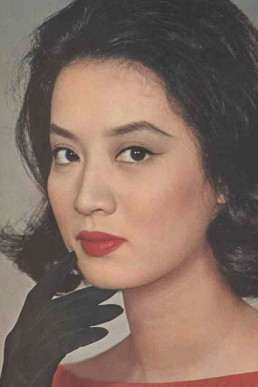
Ms Lucilla You Min
尤敏女士
1936-1996
演員
尤敏原名畢玉儀,粵劇名伶白玉堂之長女,幼年隨父學藝,曾與父親同台演出。1952年,尤敏被邵邨人發掘,加盟邵氏父子有限公司,參演沒有公映的《玉女懷春》(1952),其後主演了《人鬼戀》(1954)、《同林鳥》(1955)等片。1958年尤敏轉投電懋公司,主演的《玉女私情》(1959)與《家有喜事》(1959),連續兩年獲頒亞洲影展最佳女主角獎。1961年尤敏主演的《星星.月亮.太陽》上、下集(1961)則獲頒第一屆台灣金馬獎最佳女主角獎。她在電懋的佳作包括《無語問蒼天》(1961)、《小兒女》(1963)等。電懋與東寶株式會社進行跨國合作,她成為港日愛情三部曲《香港之夜》(1961)、《香港之星》(1963)、《香港.東京.夏威夷》(1963)的女主角,憑清麗脫俗的氣質風靡日本。1964年,尤敏拍罷《深宮怨》(1964)後結婚息影。
Ms Lucilla You Min
1932-1996
Actress
Lucilla You Min, née Bi Yuyi, was the eldest daughter of eminent Cantonese opera artist Pak Yuk Tong. As a child, she learned the art from her father and performed alongside him. In 1952, she joined Shaw & Sons and appeared in Anything Can Happen (1952), Beyond the Grave (1954) and Tragedy of Vendetta (1955) among other films. In 1958, You signed a deal with MP & GI; her subsequent roles in Her Tender Heart (1959) and All in the Family (1959) landed her the Best Actress award twice in a row at the Asian Film Festival. In 1961, she became the first ever Best Actress at Taiwan’s Golden Horse Awards for her part in Sun, Moon and Star, Parts One and Two (1961). Song without Words (1961) and Father Takes a Bride (1963) are some of her other works. When MP & GI teamed up with Japan’s Toho Company, You became the leading lady in the love trilogy A Night in Hong Kong (1961), Star of Hong Kong (1963) and Honolulu, Tokyo, Hong Kong (1963). The diva of exceptional charm and beauty became hugely popular in Japan. In 1964, You got married and retired from showbusiness after completing Romance of the Forbidden City (1964).

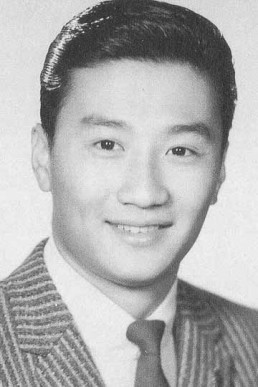
Mr Patrick Tse Yin
謝賢先生
1936-2026
演員
謝賢原名謝家鈺,1953年投考嶺光影業公司演員訓練班,翌年轉投迪華電影企業公司。《樓下閂水喉》(1954)讓他初登銀幕,隨即與在影圈首度亮相的嘉玲主演《三妻奇案》(1955),此後二人成為銀幕拍檔。1955年,二人加盟光藝製片公司,成為光藝的台柱。謝賢在光藝的13年,主演了72部影片,包括創業作《胭脂虎》(1955)、與胡楓合演的《歡喜冤家》(1959)和《難兄難弟》(1960),以及多部與嘉玲或南紅合演的文藝愛情片等,確立了他在銀幕上的不羈浪子形象。1967年,他創辦謝氏兄弟製片公司(後改名謝氏兄弟(香港)有限公司),出品過文藝片《冬戀》(1968)、《窗》(1968)、《浪子》(1969)和他首次執導的國語片《窄梯》(1972)。粵語片式微後,謝賢曾往台灣發展,參與國語片《緹縈》(1970)等演出。1979年謝賢開始影視雙棲發展,主演《上海灘續集》(1980)、《千王之王》(1981)等名劇。謝賢現仍活躍於影視圈,參演的作品包括電影《少林足球》(2001)和電視節目《三個小生去旅行》(2013)等。2004年,謝賢獲香港影評人協會頒贈金紫荊獎終身成就獎。
Mr Patrick Tse Yin
1936-2026
Actor
Born Tse Ka Yuk, Patrick Tse Yin enrolled in the actors’ training course at Lan Kwong Film Company in 1953, and made his debut in Dihua Film Company’s Save Your Water Supply (1954). He played his first leading role alongside actress Kar Ling in The Strange Case of Three Wives (1955). The two became intimate partners in many films to follow. In 1955, Tse joined Kong Ngee Motion Picture Production Company, which cast him in 72 films in 13 years, including classics such as The Rouge Tigress (1955), The Quarrelsome Couple (1959), My Intimate Partner (1960), The Story of a Discharged Prisoner (1967) and numerous romantic dramas starring Kar Ling and Nam Hung. His handsome face and suave demeanour often saw him typecast as a playboy or rebel on-screen, which earned him the moniker “the Prince of Movies”. In 1967, Tse founded Tse Brothers Motion Picture Company to produce Winter Love (1968), The Window (1968), and The Prodigal (1969). Not long after, he made his directorial debut with the Mandarin film Madness of Love (1972). After Cantonese cinema began to decline in the 1970s, he went to Taiwan where he acted in titles such as The Story of Ti-Ying (1970). From 1979, Tse extended his reach to television, playing key parts in serial dramas like The Bund II (1980) and The Shell Game (1981). Still active in showbusiness, Tse’s recent works include Shaolin Soccer (2001) and TV show Three Amigos Bon Voyage (2013). In 2004, he was honoured with the Lifetime Achievement Award by the Hong Kong Film Critics Association.

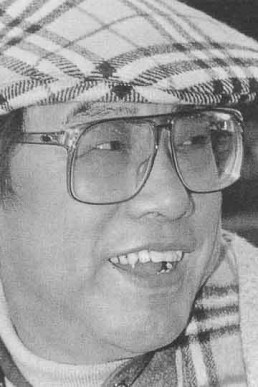
Mr Li Han Hsiang
李翰祥先生
1926 – 1996
導演
李翰祥生於遼寧,後移居北京,在國立北平藝術專科學校修習西洋畫,後赴滬入讀上海市立戲劇學校。經導演沈浮介紹,李翰祥1948年來港從影,考入永華電影製片廠訓練班,並在不同的電影公司任演員、配音員與美術設計等工作。1956年,李氏編導《雪裡紅》(1956)獲得好評,受邵邨人賞識,被邀加盟邵氏父子有限公司。他畢生拍過70多部電影,最擅長黃梅調歌唱片和古裝宮闈片,曾憑黃梅調歌唱片《貂蟬》(1958)、《江山美人》(1959)、《梁山伯與祝英台》(1963)先後在亞洲影展及金馬獎獲頒最佳影片及最佳導演獎。1963年,李翰祥赴台灣成立國聯影業有限公司,並設演員訓練班培育人才,加速台灣影業發展,後因財政問題而結束。1972年,李翰祥重投邵氏,拍攝《大軍閥》(1972)、《風月奇譚》(1972)、《傾國傾城》(1975)、《武松》(1982)等片。1983年,李氏與國內合拍《火燒圓明園》(1983)、《垂簾聽政》(1983)、《火龍》(1986)等電影。1996年,李翰祥在北京拍攝電視劇《火燒阿房宮》時,心臟病發逝世。
Mr Li Han Hsiang
1926-1996
Director
Director Li Han Hsiang was born in Liaoning and grew up in Beijing. He studied Western painting at the National Peking Art School and theatre in Shanghai. Li moved to Hong Kong in 1948, where director Shen Fu referred him to the acting school of Yung Hwa Motion Pictures. Li then tried his luck at different studios, working as an actor, dubbing artist and set designer. His directorial debut, Red Bloom in the Snow (1956), won critical acclaim and helped to pave the way for a career at Shaw Brothers. Li made more than 70 films in his lifetime. In particular, he blazed a trail for Huangmeidiao opera films, historical costume dramas and erotica. Huangmeidiao opera works Diau Charn (1958), The Kingdom and the Beauty (1959) and The Love Eterne (1963) each scooped Best Film and Best Director at both the Asian Film Festival and the Golden Horse Awards. In 1963, Li went to Taiwan to set up Grand Motion Picture Company and an affiliated acting school. The studio played a pivotal role in promoting the development of Taiwan’s film industry, but it closed down some years later due to financial troubles. In 1972, Li rejoined Shaw Brothers and went on to helm Warlord (1972), Legends of Lust (1972), The Empress Dowager (1975) and Tiger Killer (1982), among other titles. Li began shooting films for mainland studios in 1983. This resulted in titles including The Burning of Imperial Palace (1983), Reign Behind a Curtain (1983) and The Last Emperor (1986). Li died of a heart attack in 1996, while making the TV series Burning of First Emperor’s Palace (1996) in Beijing.

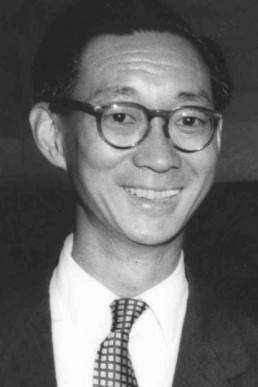
Mr Loke Wan Tho
陸運濤先生
1915 – 1964
電影企業家
陸運濤家族的國泰機構50年代在馬來西亞經營60間戲院。1955年,因永華電影製片廠有限公司欠下陸氏家族的債務,陸運濤於是來港接收永華的製片廠。翌年,他將香港的國際電影發行公司改組為電影懋業有限公司,並參考荷里活的管理模式營運,積極發展電影製片業務,以供應星馬的戲院,成為與邵氏旗鼓相當的電影公司。電懋除吸納了一批年青創作人員如張愛玲、秦羽、張徹、王天林、易文等,又成立演員訓練班,培育新人,以明星制製造新星,如尤敏、雷震、葛蘭、林翠等。陸運濤和一眾受西方教育的管理人員令電懋片廠風格較西化,拍攝中產觀眾熱愛的時裝輕喜劇如《情場如戰場》(1957)、《四千金》(1957);歌舞片如《曼波女郎》(1957)、《龍翔鳳舞》(1959);和文藝片如《玉女私情》(1959)、《雨過天青》(1959)。 1964年,陸運濤與多位要員在台灣參加亞洲影展後,遇空難逝世,令電懋業務陷入低潮,亦改寫了香港電影史。
Mr Loke Wan Tho
1915-1964
Film Entrepreneur
Media mogul Loke Wan Tho came from the family that owned Cathay Organisation, which operated more than 60 cinemas in Malaysia in the 1950s. In 1955, Loke acquired the debt-ridden Yung Hwa Motion Pictures in Hong Kong and reorganised it into Motion Picture & General Investment Company (MP & GI). Referencing the Hollywood style of management, Loke developed the studio’s film production business to meet the demands of Cathay cinemas in Singapore and Malaysia. MP & GI soon became Shaw Brothers’ biggest competitor. MP & GI recruited up-and-coming writers and directors like Eileen Chang, Chun Yik Foo, Chang Cheh, Wong Tin Lam and Evan Yang, and ran training classes to groom stars for the industry. Among the resulting glitterati were Lucilla You Min, Kelly Lai Chen, Grace Chang and Jeanette Lin Tsui. Loke and his Western-educated managers introduced a modern corporate culture into the studio. MP & GI made films that appealed to the middle classes, such as fashionable light comedy The Battle of Love (1957) and Our Sister Hedy (1957); musical films Mambo Girl (1957) and Calendar Girl (1959); and melodramas Her Tender Heart (1959) and For Better, For Worse (1959). In 1964, Loke and important MP & GI staff were killed in a plane crash after the Asian Film Festival in Taiwan. The tragedy sent MP & GI into a decline that rewrote the history of Hong Kong cinema.

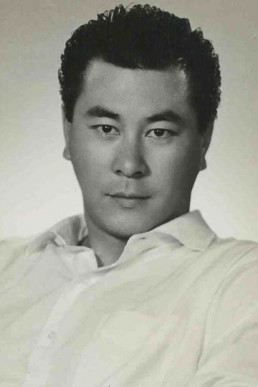
Mr Roy Chiao
喬宏先生
1927 – 1999
演員
喬宏生於上海,因身材魁梧而有「影壇雄獅」之稱,精通騎馬、潛水等運動,能駕駛飛機,並能操英、日、韓語及多種中國方言,韓戰時更曾當過美軍翻譯。1955年,喬宏在日本認識女明星白光,被邀來港主演由她自導自演的《鮮牡丹》(1956)。1957年,白光息影,將他推薦給電影懋業有限公司。喬宏在電懋期間主演了《空中小姐》(1959)、《虎山行》(1969)等影片。喬宏離開國泰(電懋改組後的名稱)後,參演了《董夫人》(1970)、《俠女》(1971)、《忠烈圖》(1975)、《嫲嫲帆帆》(1996)、《97家有囍事》(1997)等影片,又在西片《港澳輪渡》(1959)和《魔域奇兵》(1984)演出。80年代他兼演電視劇,包括《第三類房客》(1978)、《人在江湖》(1980)等。1996年,喬宏以《女人、四十。》(1995)獲頒香港電影金像獎和金紫荊獎最佳男主角獎。他是虔誠基督教徒,創辦了以團結藝人、宣揚教義的藝人之家。喬宏最後遺作是福音電影《天使之城》(1999)。
Mr Roy Chiao
1927-1999
Actor
Born in Shanghai, actor Roy Chiao was nicknamed “the Lion of the Cinema” for his physique. The well-built and versatile Chiao was proficient in horseback riding and diving. He was also a pilot and served as an interpreter for the US army during the Korean War. He was fluent in English, Japanese, Korean and multiple Chinese dialects. In 1955, Chiao met actress Bai Guang in Japan and she invited him to come to Hong Kong to star in Fresh Peony (1956), a film for which she was both the director and an actress. Bai retired a year later but she referred Chiao to MP & GI, which cast him in a plethora of films including Air Hostess (1959), Escort Over Tiger Hill (1969), The Arch (1970), A Touch of Zen (1971), The Valiant Ones (1975), The Age of Miracles (1996) and All’s Well, Ends Well ‘97 (1997). Chiao also appeared in Western films such as Ferry to Hong Kong (1959) and Indiana Jones and the Temple of Doom (1984). Chiao moved into television in the 1980s, playing parts in dramas such as Guardian Angel (1978) and Blowing in the Wind (1980). He was named Best Actor by the Hong Kong Film Awards for his performance in Summer Snow (1995). A devout Christian, Chiao founded Artists’ Home with a view to creating solidarity and spreading the Christian faith in showbusiness. His last film was the evangelistic work Sometimes, Miracles Do Happen (1999).

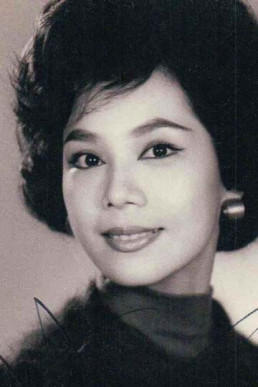
Ms Patricia Lam Fung
林鳳女士
1941 – 1976
演員
林鳳原名馮淑嫣,又名馮近婷,17歲時獲導演陳雲賞識,旁聽邵氏兄弟(香港)有限公司粵語片組演員訓練班,於處女作《仙袖奇緣》(1957)即當女主角,不到兩年已成為紅星,邵氏宣傳刊物稱她為「邵氏之寶」。邵氏為她成立影友俱樂部,會員據稱多達3萬人。於邵氏期間共拍了30部影片,包括《玉女驚魂》(1958)、《獨立橋之戀》(1959)、《玻璃鞋》(1959)等,當中不乏為她度身訂造的一系列「玉女」電影,形象變化多端,古裝時裝扮相皆宜,被稱為「銀壇玉女」,為當時粵語片注入一股富有時代感的青春氣息。林鳳回復自由身後,戲路更闊,拍了不同類型的粵語片,包括《戲迷奇遇記》(1962)、《都市兩女性》(1963)、《街市皇后》(1964)等,也演過國語片《大馬戲團》(1964)。1958年《華僑晚報》舉辦讀者選舉的十大明星獎,她連續9年獲獎。1967年,林鳳結婚息影。1976年,林鳳因服食過量安眠藥逝世。
Ms Patricia Lam Fung
1941-1976
Actress
Born Fung Suk Yin and also known as Fung Kan Ting, actress Patricia Lam Fung was referred by director Chan Wan to the Shaw Brothers’ acting school. She was cast in the lead in her first film The Fairy’s Sleeves (1957), and within two years she was a superstar. Lam was referred to as “Shaw’s Gem” in Shaw publications; the studio also set up a fan club for her that was purportedly joined by 30,000 members of the public. Lam made a total of 30 films for Shaw Brothers, including A Pretty Girl’s Love Affair (1958), Sweet Girl in Terror (1958), The Merdeka Bridge (1959) and Glass Slippers (1959). The studio tailor-made a series of films in the 1950s and 1960s to sculpt an image of her as a sweet and innocent girl. These won her the moniker “Sweet Maiden of the Silver Screen”, but Lam was in fact a versatile artist who excelled in period and modern roles. Her ability to sing and dance also infused Cantonese movies with youthful vigour. After leaving Shaw Brothers, Lam starred in titles like The Venture of an Opera Fan (1962), Two City Girls (1963), The Queen of Market (1964) and The Big Circus (1964). In 1967, she got married and retired with more than 100 films under her belt. Lam passed away in 1976 from an overdose of sleeping pills.
