
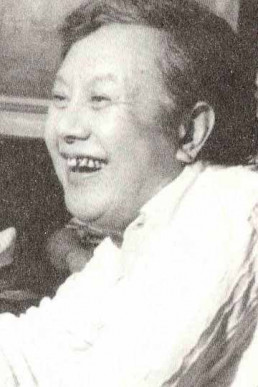
Mr Chang Cheh
張徹先生
1923 – 2002
導演
張徹原名張易揚,生於杭州,在上海接受教育,戰後回上海,開始從事電影編劇工作。1949年,張徹赴台拍攝首作《阿里山風雲》(1949)。1957年,張徹應演員李湄之邀來港當《野火》(1958)編導。1961年加盟電懋,創作《無語問蒼天》(1961)、《珍珠淚》(1962)等文藝性較重的劇本。1962年張氏加盟邵氏,成名作為《獨臂刀》(1967),創下百萬港元的票房佳績,被稱為「百萬大導」,亦開創了新派武俠電影風潮,奠定他在香港影壇的地位。之後張徹執導了《金燕子》(1968)、《十三太保》(1970)、《馬永貞》(1972)、《刺馬》(1973)等膾炙人口的武俠片,並把武俠片的暴力美學帶到《死角》(1969)、《年輕人》(1972)等時裝片內,造就了王羽、狄龍、姜大偉、陳觀泰、傅聲等動作片明星。1974年,由邵氏出資,張徹赴台灣籌組長弓電影公司拍片,1976年,張氏重回邵氏執導。1986年,張氏返內地拍片。1997年及2002年,張徹先後獲香港影評人協會及香港電影金像獎頒發終身成就獎。
Mr Chang Cheh
1923-2002
Director
Born Chang Yi Yang in Hangzhou and educated in Shanghai, director and scriptwriter Chang Cheh started scripting for films in Shanghai. But it was in Taiwan in 1949 that he helmed his first work, Happenings in Ali Shan. In 1957, he was invited by actress Li Mei to script and direct Wild Fire (1958) in Hong Kong. In 1961, he joined MP & GI as a writer; melodramas that ensued included Song without Words (1961) and Her Pearly Tears (1962). In 1962, Chang joined Shaw Brothers and made the groundbreaking classic One-Armed Swordsman (1967). The film initiated a trend of new martial arts movies that offered a stark contrast to the female-led films of the time. It also won him the title “the Million Dollar Director” and established him as a master of the martial arts genre. Chang’s subsequent productions continued to be hits: Golden Swallow (1968), The Heroic Ones (1970), Boxer from Shantung (1972) and The Blood Brothers (1973) to name but a few. These and other films made the careers of action actors like Jimmy Wang Yu, Ti Lung, David Chiang, Chan Koon Tai and Alexander Fu Sheng. Works Dead End (1969) and Young People (1972) saw Chang applying the aesthetic of violence to contemporary settings. In 1974, he set up Chang’s Film Company in Taiwan with the financial support of Shaw Brothers. Two years later, he rejoined Shaw Brothers. In 1986, he took his career to the mainland. Chang was honoured with the Lifetime Achievement Award by the Hong Kong Film Critics Association and the Hong Kong Film Awards, respectively, in 1997 and 2002.


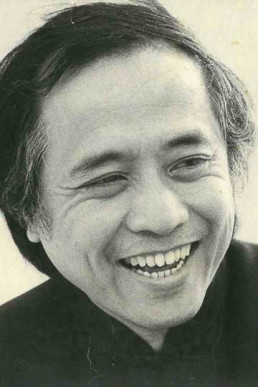
Mr Chor Yuen
楚原先生
1934-2022
導演
楚原原名張寶堅。父親是粵語片演員張活游。1954年,楚原已於其父創辦的山聯影業公司中客串演出《芸娘》(1954)。1956年,楚原開始當編劇,並於《寶蓮燈》(1956)擔任導演吳回的助導。1957年,他與陳文合導光藝製片公司出品的《九九九海灘命案》(1957)。1959年楚原正式執導《湖畔草》(1959),1960年他憑執導《可憐天下父母心》(1960)揚名。粵語片式微後,楚原先後於國泰機構和邵氏公司繼續其導演生涯。楚原從影30年間執導逾百部影片,包括文藝、喜劇、武俠、懸疑等不同類型。他導演的作品曾為香港電影帶來新的氣象,如《愛奴》(1972)是一個充滿奇情和殺機的古裝女同性戀故事,翌年的《七十二家房客》(1973)則令粵語片復甦,其後又憑《流星.蝴蝶.劍》(1976)、《三少爺的劍》(1977)等片掀起改編古龍武俠小說的潮流。80年代,他轉為活躍於幕前,參演不少影視作品,如電影《雪兒》(1984)、《警察故事》(1985)、《新難兄難弟》(1993)、電視劇《卡拉屋企》(1991)、《真情》(1995)等。1998年,楚原獲香港電影金像獎頒發專業精神獎,2018年再獲金像獎頒授終身成就獎嘉許。
Mr Chor Yuen
1934-2022
Director
Chor Yuen is the screen name of Cheung Bo Kin, son of actor Cheung Wood Yau. He first appeared in Madam Wan (1954), produced by his father’s Shan Luen Motion Picture Company. He began writing scripts in 1956 and served as assistant director to Ng Wui in The Precious Lotus Lamp (1956). In 1957, he co-directed Murder on the Beach (1957) with Chan Man for Kong Ngee Motion Picture Production Company, and in 1959 made his directorial debut, The Natural Son (1959). The Great Devotion (1960) which came three years later, was a huge commercial and critical success. In his 30-year career as director, Chor Yuen made more than 100 films in various genres, many of which expanded Hong Kong cinema’s horizons. Intimate Confessions of a Chinese Courtesan (1972) is a martial arts film about a beautiful lesbian villain, while The House of 72 Tenants (1973) is credited with reviving Cantonese cinema. Titles like Killer Clans (1976) and Death Duel (1977) are also believed to have triggered a trend of Gu Long novel adaptations. From the 1980s, Chor Yuen was active in both film and television, appearing in movies such as Cherie (1984), Police Story (1985) and He Ain’t Heavy, He’s My Father (1993), as well as TV series The Family Squad (1991) and A Kindred Spirit (1995). Chor was honoured with the Professional Achievement Award and the Lifetime Achievement Award at the Hong Kong Film Awards in 1998 and 2018, respectively.

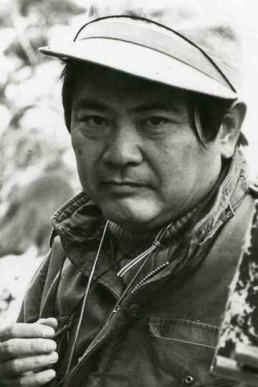
Mr King Hu
胡金銓先生
1931 – 1997
導演
胡金銓生於北京。1949年,胡氏來港,先任電影廣告畫師,後到片場當佈景美工、佈景師。1954年,他經嚴俊介紹,在《笑聲淚痕》(1958)擔當演員。1958年,胡金銓加盟邵氏公司,當演員之餘亦撰寫《花田錯》(1962)等劇本,並為李翰祥當副導演,後正式擢升為導演,首部執導的作品為《大地兒女》(1965)。拍罷《大醉俠》(1966)後,胡氏往台灣發展,替聯邦影業有限公司拍攝《龍門客棧》(1967),他新穎的拍攝手法,技驚四座,在港台和東南亞大受歡迎,並贏得金馬獎最佳編劇。之後,胡氏展開了歷時三年的《俠女》(1971)拍攝工作,電影在康城影展上獲得最高技術委員會大獎,胡導演是把華語武俠片推向國際的大功臣。後來的《迎春閣之風波》(1973)、《忠烈圖》(1975)、《山中傳奇》(1979)和《空山靈雨》(1979)等,為港、台的武俠片創造了一種具飄逸感的新影像風格,影響至今。1979年他憑《山中傳奇》獲頒台灣金馬獎最佳導演獎,1992年及1997年,胡金銓先後獲香港導演協會及台灣金馬獎頒發終身榮譽大獎及終身成就獎。
Mr King Hu
1931-1997
Director
Born in Beijing, actor and director King Hu came to Hong Kong in 1949, working as an advertisement artist and, later, as a props designer. In 1954, with the help of Yan Jun, he was cast in Humiliation for Sale (1958). In 1958, he joined Shaw Brothers, where, besides acting, he scripted films like The Bride Napping (1962) and worked as assistant director to Li Han Hsiang. King Hu’s directorial debut was Sons of Good Earth (1965). But it was Come Drink with Me (1966) that established him as a director. After this, Hu went to Taipei where he made the classic Dragon Inn (1967) for Union Film Company. Hu’s talent wowed audiences, and the film set off a craze for period action titles. Hu then spent three years shooting his masterpiece, A Touch of Zen (1971). Meticulously crafted, it won the Technical Grand Prize at the Cannes Film Festival in 1975, marking Hu as the hero who put Chinese swordplay movies on the international stage. Other titles he helmed in this period include The Fate of Lee Khan (1973), The Valiant Ones (1975), Legend of the Mountain (1979) and Raining in the Mountain (1979). Hu pioneered an ethereal aesthetic in martial arts cinema in Hong Kong and Taiwan, and his influence can be felt to this day. He garnered Best Director and the Lifetime Achievement Award at Taiwan’s Golden Horse Awards in 1979 and 1997, respectively. In 1992, King Hu was honoured with the Lifetime Achievement Award by the Hong Kong Film Directors’ Guild.

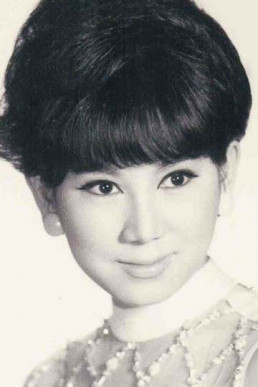
Ms Ivy Ling Po
凌波女士
1939-
演員、歌星
凌波本名黃裕君,被收養後改名君海棠。1954年,凌波以藝名小娟拍廈語片。1961年,她為邵氏公司《紅樓夢》(1962)幕後代唱,後得李翰祥提拔主演《梁山伯與祝英台》(1963),轟動港、台兩地,獲頒金馬獎最佳演技特別獎嘉許。凌波當年造訪台北時萬人空巷,台北為「梁兄哥」變了「瘋人城」。時至今日,仍有影迷稱她為「梁兄哥」,足見她深受觀眾愛戴。此後她反串演出多部黃梅調歌唱片,包括《七仙女》(1963)、《魚美人》(1965)、《三笑》(1969)等,並憑《花木蘭》(1964)獲頒亞洲影展最佳女主角獎。當黃梅調電影逐漸退潮,她開始轉拍文藝片,如《明日之歌》(1967)、《啞巴與新娘》(1971)等,並憑《烽火萬里情》(1967)奪台灣金馬獎最佳女主角獎。她與丈夫金漢合辦今日(香港)影業公司,拍攝《十字路口》(1976)、《新紅樓夢》(1978)、《金枝玉葉》(1980)等影片。80年代,凌波移居台灣,參演當地的電視劇。
Ms Ivy Ling Po
1939-
Actress & Singer
Actress Ling Po was born Wong Yu Kwan and given the name Kwan Hoi Tong by her adoptive parents. Her acting career began in 1954 with parts in Amoy dialect movies. In 1961, she joined Shaw Brothers and served as a voice double in the film Dream of the Red Chamber (1962). Her talent caught the eye of director Li Han Hsiang, who cast her as “Brother Liang”, the leading male character, in The Love Eterne (1963). The film took Hong Kong and Taiwan by storm and won the Special Performance Award at the 2nd Golden Horse Awards. When she visited Taipei, the whole city came out to greet “Brother Liang”. Even now, fans still address her by that name. Riding on her success, Ling made a series of Huangmeidiao opera movies, establishing herself as an icon in the genre. They include A Maid from Heaven (1963), The Mermaid (1965), The Three Smiles (1969) and Lady General Hua Mulan (1964). Her vocals and cross-dressing performances in the latter two sent her career to new heights; Lady General Hua Mulan also won her Best Actress at the 11th Asia-Pacific Film Festival. As Huangmeidiao movies began losing popularity, Ling switched to melodramas like Song of Tomorrow (1967) and The Silent Love (1971). She scooped Best Actress at the 6th Golden Horse Awards for Too Late for Love (1967). In the 1970s, Ling and her husband Chin Han founded Jinri Film Company, which produced Crossroad (1976), Dream of the Red Chamber (1978) and The Imperious Princess (1980) among other titles. In the 1980s, Ling moved to Taiwan, where she still resides and acts in TV dramas.

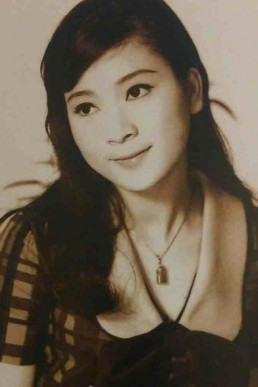
Ms Connie Chan Po Chu
陳寶珠女士
1947-
演員
陳寶珠原名何佩勤,4歲因家貧,被送交養父母陳非儂和宮粉紅收養,並得他們指導粵劇功架,後隨京劇武旦粉菊花學習北派,更獲粵劇名伶任劍輝收為徒弟。11歲的陳寶珠於電影《秦香蓮》(1958)已反串亮相銀幕,此後於不少粵語武俠片中反串演出少俠。直至她以時裝長髮女生的扮相與蕭芳芳合演《彩色青春》(1966)才成功攀上事業高峰,二人雙雙帶起粵語青春片的熱潮。僅僅1967年,她便主演了32部電影,名作包括《姑娘十八一朵花》(1966)、《女殺手》(1966)、《花月佳期》(1967)、《蔓莉蔓莉我愛你》(1969)等。戲路廣闊的她,無論武俠、文藝、喜劇、歌舞片,飾演男角、女角都維肖維妙,成為萬千觀眾的偶像,更因演《影迷公主》(1966)被冠以「影迷公主」的美譽。1972年,乘粵語片停產,她便退出影壇。1999年重返舞台,主演舞台劇《劍雪浮生》(1999),此後參與多齣舞台劇如《煙雨紅船》(2000)、《天之驕子》(2006)和粵劇如《紅樓夢》(2012)、《再世紅梅記》(2014)、《蝶影紅梨記》(2017)的演出。
Ms Connie Chan Po Chu
1947-
Actress
Born Ho Pui Kan, actress and Cantonese opera artist Connie Chan Po Chu was born to a poor family. At age four, she was adopted by Cantonese opera singers Chan Fei Nung and Kung Fan Hung, who taught her their art. She went on to apprentice under Peking opera master Fen Juhua and Cantonese opera virtuoso Yam Kim Fai. Hence, at a young age, Chan was trained in both the southern and northern styles of operatic and martial arts. At 11, she made her big screen debut with Madam Chun Heung-lin (1958), but it was not until the late 1960s that she gained real fame playing in Colourful Youth (1966) alongside Josephine Siao. A 1960s teen idol, Chan was given the moniker “the Princess of Film Fans” by her largely young and female followers. In 1967 alone she appeared in 32 films, including Girls are Flowers (1966), Lady Bond (1966), Summer and Spring (1967) and Mary, I Love You (1969). Chan was a versatile actress who played both male and female roles in diverse genres, specifically martial arts, romantic dramas, comedies and musicals. In 1972, she retired from the screen when productions of Cantonese films came to a halt. In 1999, she took to the stage once again in the plays A Sentimental Journey (1999), Red Boat (2000) and Only You (2006), as well as Cantonese operas Dream of the Red Chamber (2012), The Reincarnation of Red Plum (2014), and Butterfly and Red Pear Blossom (2017).

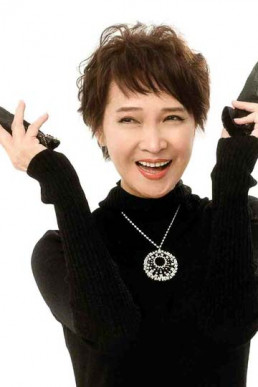
Ms Josephine Siao Fong Fong
蕭芳芳女士
1947-
演員
蕭芳芳原名蕭亮,生於上海,2歲時隨父母移民香港,惜3歲喪父。6歲蕭芳芳任童星幫補家計,憑國語片《梅姑》(1956)獲頒第二屆東南亞電影展最佳童星獎。1960年,蕭氏開始演出粵語片,60年代中與陳寶珠合演《彩色青春》(1966),帶起粵語青春歌舞片熱潮。1968年,她隻身赴美留學。完成學業後繼續其演藝事業,拍攝了《廣島廿八》(1974)、《跳灰》(1976)等影片。1977年轉投電視圈,在電視節目中創造了家傳戶曉的喜劇人物林亞珍。蕭芳芳至今演出電影逾200部,演技廣受認同,以《不是冤家不聚頭》(1987)和《女人,四十。》(1995)蕭芳芳兩度獲得香港電影金像獎最佳女主角獎,《女人,四十。》更讓她成為柏林影展及台灣金馬獎影后,後她再以《虎度門》(1996)獲頒亞太影展及台灣金馬獎最佳女主角獎。1998年,蕭芳芳創辦護苗基金,積極推廣保護兒童免受性侵犯的訊息。2009年,蕭芳芳榮獲香港電影金像獎終身成就獎。
Ms Josephine Siao Fong Fong
1947-
Actress
Actress Josephine Siao Fong Fong, née Xiao Liang, was born in Shanghai and moved to Hong Kong with her parents at age two. Her father passed away when she was three. She became a child actor at six to help support the family. Her performance in The Orphan Girl (1956) garnered the Best Child Actor Award at the 2nd Southeast Asian Film Festival. In the mid-1960s, Siao and Connie Chan Po Chu starred in Colourful Youth (1966), which set off a wave of Cantonese movie musicals. In 1968, Siao quit acting to study in the United States. Upon her return, she appeared in Hiroshima 28 (1974) and Jumping Ash (1976). In 1977, she turned to television; her comic “Lam Ah-chun” persona in the show of the same name was wildly popular. Siao has been involved in more than 200 Cantonese and Mandarin films, covering a wide range of genres. She scooped the Best Actress Award at the Hong Kong Film Awards twice, for The Wrong Couples (1987) and Summer Snow (1995). Summer Snow also won her Best Actress at both the Berlinale and the Golden Horse Awards, while Hu-Du-Men (1996) saw her named Best Actress at the Asia-Pacific Film Festival and the Golden Horse Awards. In 1998, Siao founded the End Child Sexual Abuse Foundation to protect children under 18 from sexual abuse. In 2009, she received the Lifetime Achievement Award at the Hong Kong Film Awards.


Ms Petrina Fung Bo Bo
馮寶寶女士
1954-
演員
馮寶寶原名馮保寶,出身自演藝世家,父親馮峰和母親陳惠瑜皆為電影工作者,年僅3歲已在父親編導的《小冤家》(1956)亮相,6歲已成為當時最受歡迎的童星。1960年,她的產量已逾30部電影,有「香港莎莉.譚寶」之稱。馮氏主演的作品包括《夜光杯》上、下集 (1961)、《紮腳小紅娘》(1961)、《小甘羅拜相》上、下集(1961)、《孖生小藝人》(1962)等。年紀稍長後,馮寶寶演出《飛俠小白龍》(1968)、《三招了》(1969)、《瘋狂酒吧》(1970)等片。粵語片式微後,她赴英攻讀室內設計,回港後再投身電視圈,分別為無綫電視及亞洲電視演出了《不是冤家不聚頭》(1979)、《風雲》(1980)、《楊門女將》(1981)、《武則天》(1984)等電視劇。80年代中,馮寶寶再次參與電影拍攝,拍了《八喜臨門》(1986)、《女子監獄》(1988)等片,至今仍活躍於影視圈,先後憑《92黑玫瑰對黑玫瑰》(1992)、《新不了情》(1993)兩度獲頒香港電影金像獎最佳女配角獎,近作有《媽咪俠》(2015)。
Ms Petrina Fung Bo Bo
1954-
Actress
“The Shirley Temple of Hong Kong”, Fung Bo Bo was born into an entertainment family. At age three, she hit the big screen in Love vs Love (1956), written and directed by her father. By six, she had become the most popular child actor of her time. In 1960 alone, she appeared in more than 30 films. Her most notable titles in this period were Parts 1 and 2 of The Magic Cup (1961), The Little Go-between (1961), the two-part Little Prime Minister (1961) and Little Artists (1962). As an adolescent, Fung starred in The White Dragon (1968), Within Three Strikes (1969) and The Mad Bar (1970). She left Hong Kong to pursue interior design studies in England when Cantonese cinema took a downturn. Upon her return, she began appearing in television dramas on TVB and RTV, such as The Wrong Couples (1979), This Land is Mine (1980), Yeung Female Warriors (1981) and Empress Wu (1984). Fung resumed film acting a few years later with My Family (1986) and Women’s Prison (1988) among other works. She won Best Supporting Actress at the Hong Kong Film Awards twice, for 92 Legendary La Rose Noire (1992) and C’est la Vie, Mon Chéri (1993). Fung remains active in showbiz to this day; Wonder Mama (2015) is among her recent work.

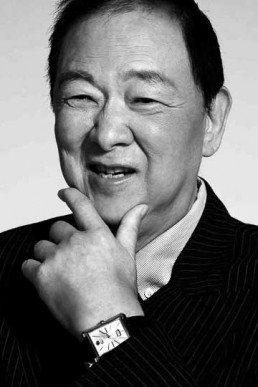
Mr Jimmy Wong Yue
王羽先生
1944-2022
演員
王羽原名王正權,曾就讀上海體育學院,榮獲游泳比賽冠軍。1963年,邵氏兄弟(香港)有限公司公開甄選男主角,他以優越的成績及條件,在眾多參賽者中脫穎而出,在《虎俠殲仇》(1964)中擔任男主角,因而開始習武。王羽身材健碩、身手矯健,危險動作也親身上陣,被張徹選中擔任新派武俠開山作《獨臂刀》(1967)男主角。他以驚人的武藝塑造出片中俠者的形象,成為一代武俠小生,續拍了《大刺客》(1967)、《斷腸劍》(1967)、《金燕子》(1968)等作品。70年代,王羽移居台灣,開始自編自導自演,作品包括開創了功夫片潮流的《龍虎鬥》(1970)、《戰神灘》(1973)、《四大天王》(1974)等。80年代,王羽棄影從商,間中才現身於銀幕上。近作包括《武俠》(2011)和獲頒台北電影節最佳男主角的《失魂》(2013)。
Mr Jimmy Wong Yue
1944-2022
Actor
Actor, director and scriptwriter Jimmy Wong Yue is the screen name of Wong Jing Kuen, a former swimming champion who graduated from the College of Physical Education in Shanghai. When Shaw Brothers launched an open recruitment for the leading actor in an upcoming film, Wong outshone other contestants and landed the role in Tiger Boy (1964). His strong and muscular build was a perfect embodiment of the virility of Chang Cheh’s characters, in particular that of the title character in One-Armed Swordsman (1967). Wong’s stunning martial arts skills and vivid portrayal of chivalrous warriors in films such as The Assassin (1967) and Golden Swallow (1968) made him the leading martial arts star of the 1960s. Wang moved to Taiwan in the 1970s and began directing. Among his directorial works were The Chinese Boxer (1970), which started a kung fu movie trend, as well as Beach of the War Gods (1973) and Four Real Friends (1974). In the 1980s, Wong quit film to set up his own business, appearing occasionally in movies. His recent works include Wu Xia (2011) and Soul (2013); the latter won him Best Actor at the Taipei Film Festival.

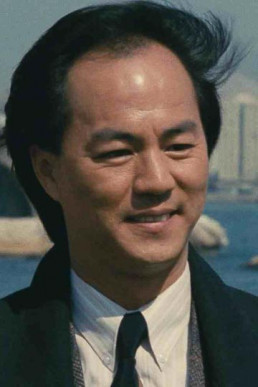
Mr Tommy Ti Lung
狄龍先生
1946-
演員
狄龍原名譚富榮。1968年,狄龍考入邵氏的南國實驗劇團,畢業後與邵氏簽了5年演員合約,不久即被張徹選中,擔任《死角》(1969)男主角。狄龍參演多部動作片,包括《十三太保》(1970)、《無名英雄》(1971)、《拳擊》(1971)等,是張徹愛將之一,尤其擅長扮演大俠角色。1974年,他在張徹創辦的長弓電影公司嘗試執導,拍攝時裝動作片《電單車》(1974)和《後生》(1975)。他於李翰祥導演的《傾國傾城》(1975)和《瀛台泣血》(1976)中,一改形象嘗試飾演懦弱的光緒皇帝。1976年起,他主演一系列由楚原導演改編自古龍小說的武俠片《天涯.明月.刀》(1976)、《楚留香》(1977)、《多情劍客無情劍》(1977)等。1985年狄龍離開邵氏,當時共演出80多部電影。1986年,他憑《英雄本色》榮獲台灣金馬獎最佳男主角獎。1999年,他憑《流星語》獲頒香港電影金像獎最佳男配角。之後,狄龍仍有參演《三國之見龍卸甲》(2008)、《落跑吧愛情》(2015)及馬來西亞電影《我來自紐約》(2016)等。
Mr Tommy Ti Lung
1946-
Actor
Actor and director Ti Lung‘s original name was Tam Foo Wing. He enrolled in the Southern Drama School run by Shaw Brothers and signed a five-year contract with the studio upon graduation. Not long after, he was cast by director Chang Cheh as the protagonist in Dead End (1969). During his years with Shaw Brothers, Ti specialised in martial arts movies such as The Heroic Ones (1970), The Duel (1971) and The Blood Brothers (1973). He was one of Chang Cheh’s favourite actors, playing mostly gallant swordsmen. In 1974, Ti tried his hand at directing under Chang Cheh’s Chang’s Film Company in Taipei; his efforts resulted in Young Lovers on Flying Wheels (1974) and The Young Rebel (1975). In 1975, he played the cowardly “Emperor Guangxu” in Li Han Hsiang’s The Empress Dowager (1975) and The Last Tempest (1976). The next few years saw him appear in a series of martial arts films adapted from Gu Long novels, including The Magic Blade (1976), Clans of Intrigue (1977) and The Sentimental Swordsman (1977). In 1985, Ti left Shaw Brothers after having acted in more than 80 titles. In 1986, he was named Best Actor at Taiwan’s Golden Horse Awards for his performance in A Better Tomorrow. In 1999, he bagged Best Male Supporting Actor at the Hong Kong Film Awards with The Kid. Ti’s recent big screen appearances include Three Kingdoms: Resurrection of the Dragon (2008), All You Need Is Love (2015) and Malaysian production The Kid from the Big Apple (2016).

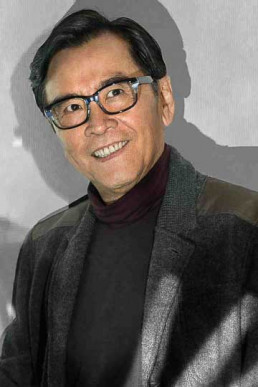
Mr David Chiang
姜大衛先生
1947-
演員
姜大衛原名姜偉年,生於電影世家,父親嚴化和母親紅薇皆為演員。他4歲開始當童星,以嚴偉藝名參演過《馬路小天使》(1957)、《流浪兒》(1958)等片,至主演《街童》(1960)時,改藝名姜大偉。1965年,姜大衛參加劉家良等教導的武師訓練班,受訓後當龍虎武師及替身。由於他身手了得且敬業樂業,在《金燕子》(1968)當龍虎武師時,得到導演張徹的欣賞,特意按其形象性格編導了電影《遊俠兒》(1970)。1970年,他憑《報仇》獲頒亞洲影展最佳男主角獎。他多參演動作片和武俠片,如《保鏢》(1969)、《十三太保》(1970)、《新獨臂刀》(1971)、《刺馬》(1973)、《叛逆》(1973)等;在《傾國傾城》(1975)中,飾演小太監的他則一改戲路。1973年,他在張徹創辦的長弓電影公司首次執導《吸毒者》(1974),其他執導作品包括《貓頭鷹》(1981)、《聽不到的說話》(1986)、《不是冤家不聚頭》(1987)等。
Mr David Chiang
1947-
Actor
Actor David Chiang, né Keung Wai Nin, was born to actor parents Yan Hua and Hong Wei. He became a child actor from the age of four, appearing in Little Angel of the Streets (1957) and Young Vagabond (1958) among other films under the screen name Yan Wei. He changed his name to David Chiang starting with Street Boys (1960). In 1965, he began training as a martial arts extra under action choreographer Lau Kar Leung, and subsequently worked as a stuntman and extra. During the shooting of Golden Swallow (1968), his consummate skills and professionalism impressed director Chang Cheh, who subsequently cast him in the leading role in The Wandering Swordsman (1970), a film tailor-made for him. In 1970, he was named Best Actor at the Asian Film Festival for Vengeance. Chiang also played key roles in action and martial arts titles such as Have Sword, Will Travel (1969), The Heroic Ones (1970), The New One-armed Swordsman (1971), The Blood Brothers (1973) and The Generation Gap (1973). The Empress Dowager (1975) saw him departing from his heroic persona to play a young eunuch. Chiang is also a filmmaker, and his credits include The Legend of the Owl (1981), Silent Love (1986) and The Wrong Couples (1987).
